-

By Matija Šerić
Both the Germans and the Russians felt that the battle would be decisive. The Red Army put 40% of its manpower and 75% of its armored forces into the combat zone. Losing these forces would have caused a catastrophe. As for Hitler, the success of Operation Citadel was important to him, so…
Continue reading… -

By Matija Šerić
After a four-year tenure at Real Madrid, one of the world’s most respected football experts, Carlo Ancelotti, faces the challenge of his career. As of May 26, he officially became the head coach of the Brazilian national football team. Although historically Brazil’s national team has been one of the most attractive in…
Continue reading… -

By Matija Šerić
After the Battle of Stalingrad in early 1943, the situation on the Eastern Front changed fundamentally. In 1942, the Soviet Union had been on the brink of defeat as its most advanced western regions were under German occupation, depriving the Soviets of key resources, while Soviet citizens suffered from severe shortages. It…
Continue reading… -

By Matija Šerić
When the Islamic State of Iraq and the Levant was established in the summer of 2014, its spokesperson Abu Mohammed al-Adnani demanded that all jihadist organizations recognize the new caliph al-Baghdadi as the sole legitimate leader, which led to a split with Al-Qaeda and Al-Nusra. The same demand was made to all…
Continue reading… -

By Matija Šerić
Terrorist attacks carried out by members of the radical movement Islamic State (ISIS or ISIL) are part of the organization’s global strategy to establish its theocratic Islamist rule over the entire world. Although it is clear to any reasonable person that terrorist attacks throughout history have never solved any political or religious…
Continue reading… -

By Matija Šerić
The economic situation in Cuba over the last few decades has been poor, to put it mildly. Moreover, the Republic of Cuba is one of the poorest countries in the world, with an uncompetitive economy that still largely adheres to socialist principles which hinder growth. In addition, the U.S. embargo, enforced over…
Continue reading… -

By Matija Šerić
During Dilma Rousseff’s presidency from 2011 to 2016, Brazil unfortunately began to stagnate both economically and socially. Economic growth slowed, averaging 2.6% below the Latin American average, leading to a loss of fiscal discipline, a lack of economic progress, layoffs, recession, and widespread dissatisfaction. The nation was shaken by large-scale corruption scandals…
Continue reading… -

By Matija Šerić
When students, driven by a desire or need to learn geography, take a globe in their hands and start spinning it, they will very quickly come across the Federative Republic of Brazil. This is not surprising, as Brazil is impossible to overlook on the world’s political map. It is located roughly in…
Continue reading… -

We present the second part of an excellent and highly insightful interview with Dr. Petar Popović, an expert in international relations and diplomacy and an associate professor at the Faculty of Political Science in Zagreb.
– Could the European army proposed by Emmanuel Macron be a desirable and effective alternative to NATO?
There are…
Continue reading… -

By Matija Šerić
In football, formations play a crucial role. It’s not enough to simply have quality players in every position and a good tactical plan; it’s equally important to position those players effectively on the pitch. Over the past 15–20 years, the 4-3-3 formation (with variations depending on the coach and players) has become…
Continue reading… -

The geopolitical summer of 2025 is anything but boring. Although international relations in the 21st century are complex, dynamic, and unpredictable, the situation has been further destabilized by Donald Trump’s presence in the White House, the Middle East boiling over following the recently concluded Iran-Israel war, the ongoing war in Ukraine, the rising influence of…
Continue reading… -

By Matija Šerić
Anyone buying coffee in supermarkets recently has noticed sharp price hikes. In early July, one kilogram of ground coffee in most Croatian supermarkets costs around €18, while 500 grams sell for €9–10. These are shockingly high prices, forcing consumers to wait for discounts to save a few euros. Prices for coffee-based drinks…
Continue reading…
-
Friendly Fire: A Problem of Modern Wars
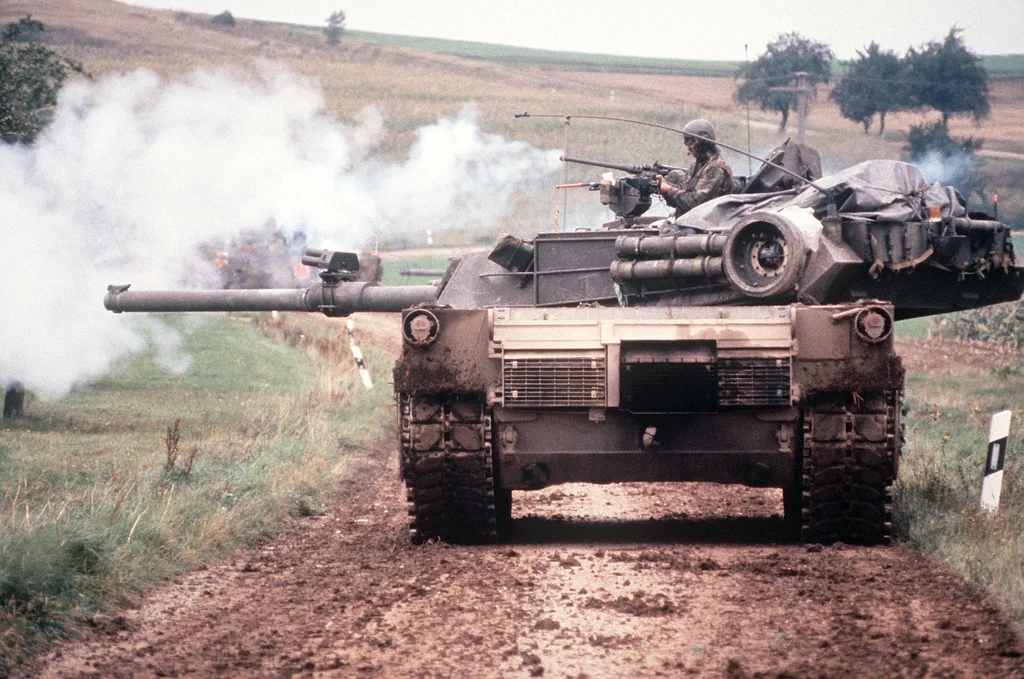
By Matija Šerić Friendly fire represents an extremely serious aspect of armed conflicts. It refers to situations in which military forces—members of the same army or allied troops—unintentionally open fire on one another. The United States Department of Defense has formally defined friendly fire as “a circumstance in which members of U.S. or allied military…
-
Friendly Fire: A Problem of Modern Wars
By Matija Šerić Friendly fire represents an extremely serious aspect of armed conflicts. It refers to situations in which military forces—members of the same army or allied troops—unintentionally open fire on one another. The United States Department of Defense has formally defined friendly fire as “a circumstance in which members of U.S. or allied military…
Hello,
Actualitica.com

is a newly established magazine dedicated to objective research and analysis on various topics. The main goal is to provide unbiased information and a true reflection of events.