By Matija Šerić
Anyone buying coffee in supermarkets recently has noticed sharp price hikes. In early July, one kilogram of ground coffee in most Croatian supermarkets costs around €18, while 500 grams sell for €9–10. These are shockingly high prices, forcing consumers to wait for discounts to save a few euros. Prices for coffee-based drinks in cafes are even steeper. The situation is similar across Europe and the rest of the world: coffee prices have soared, and with unfavorable market trends, the situation could get even worse, pushing coffee toward becoming a luxury reserved for the wealthy.
Trump’s Brazilian Tariff – A 50% Hike
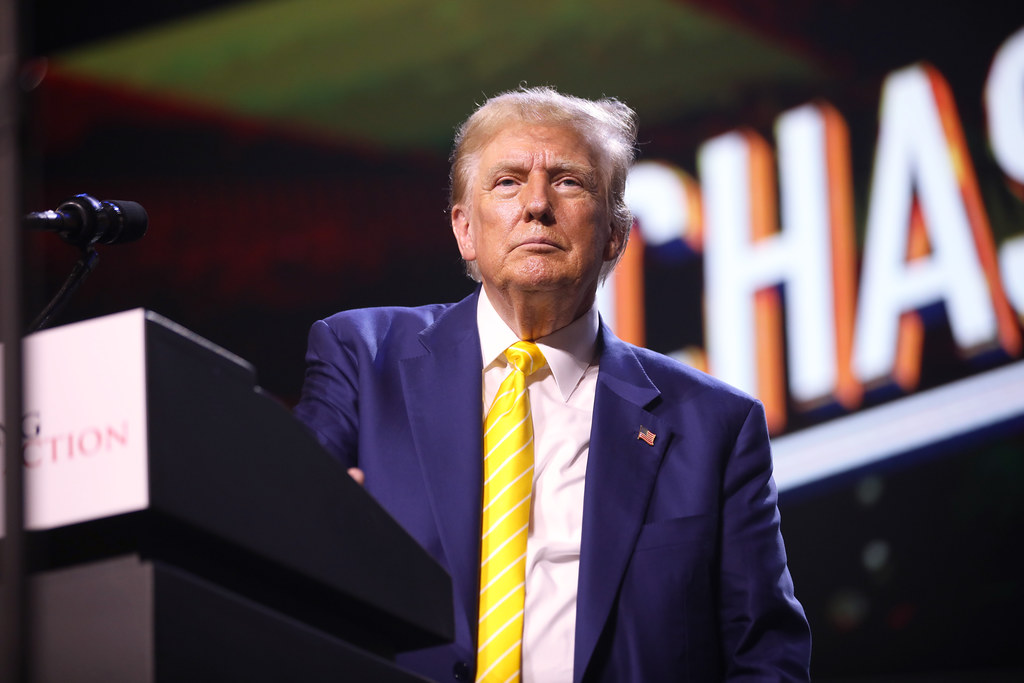
Two main factors are driving the risk of further coffee price increases: Donald Trump and poor coffee harvests. On Wednesday, July 9, the controversial U.S. leader signed a directive to raise import tariffs on Brazilian goods—including coffee—to a staggering 50%, effective August 1 unless a bilateral deal is reached. The United States imports about a third of its coffee needs from Brazil, relying on imports to meet rising demand despite having some local production in Hawaii and Puerto Rico. This move could make the classic American breakfast significantly more expensive, as Brazil also supplies much of the orange juice Americans consume, another staple of breakfast tables worldwide.

Trump’s Political Message
Trump’s move is openly political. His target: Brazil’s Supreme Court, which is prosecuting former right-wing president Jair Bolsonaro, Trump’s ally, over alleged efforts to overturn the 2022 elections won by leftist Luiz Inácio Lula da Silva. Trump also cited the Brazilian government’s legal actions against U.S. social media companies for violating local laws as a reason for the tariff hike. The decision comes despite the U.S. having a trade surplus of $6.8 billion with Brazil last year. In response, President Lula announced that Brazil would implement reciprocal measures under a recently passed law allowing proportionate retaliation.
The Coming Wave of Coffee Inflation
Marcos Matos, CEO of Cecafé, Brazil’s coffee exporters council, stated that the tariffs would hurt Brazilian exporters in terms of jobs and revenue, but would also damage U.S. industry and consumers who will end up paying more for coffee. If tariffs are not reduced to a more reasonable level—around 10%—leading coffee processors like Starbucks, Lavazza, and Nescafé will face much higher operating costs. Giuseppe Lavazza, head of the Lavazza coffee company, confirmed that businesses will try to absorb some of these costs to shield consumers, but this will not be easy. One mitigation strategy could be sourcing coffee beans from other countries, but global prices are likely to rise, hitting ordinary coffee drinkers hardest.
Is Trump’s tariff war on Brazil about trade at all?
Poor Harvests Add to the Pressure
In recent years, global coffee production has suffered due to extreme weather conditions. In Brazil, the largest producer of Arabica coffee, droughts, frosts, and heavy rains have reduced yields. Similar challenges have hit other producers like Colombia and Vietnam (the leading Robusta producer), resulting in lower supply and higher prices. This has already strained household budgets globally. At the start of this year, coffee prices hit historic highs, forcing many to pay more for their daily espresso or cappuccino. As of now, Brazil’s coffee harvest is only 40% complete compared to 52% at the same time last year, and experts warn these trends could continue unless climate adaptation measures in production are implemented.
The Domino Effect
Higher tariffs in the U.S. are likely to trigger a domino effect, raising coffee prices across global markets, cafes, restaurants, and grocery stores. While global coffee prices fell by around 17% in June due to improved harvest expectations, they remain 18% higher than in 2024. Recently, both Arabica and Robusta prices dipped slightly, but these hopes are now overshadowed by rising trade tensions. The tariff announcement has already shaken coffee markets, with New York Arabica futures jumping over 3.5% on Thursday morning in reaction to the news.
Protests in Brazil over Trump’s tariffs as more threats emerge
A Glimmer of Hope
There is still hope that Presidents Trump and Lula will find common ground before August, preventing a 50% tariff hike. U.S. Secretary of Agriculture Brooke Rollins stated in late June that the White House is considering exemptions for agricultural products that cannot be produced domestically, including coffee. Brazil is also motivated to reach a deal, as its currency, the real, has lost 2% of its value since Trump’s announcement.
Coffee lovers worldwide can only hope for a reasonable agreement. Current coffee prices are already unaffordable for many, and any further increases could push coffee into the category of luxury goods like lobster or caviar. Without a deal, your daily cup of coffee may soon become a privilege rather than a habit.