By Matija Šerić
Despite the devastating blow of nature in Texas, U.S. authorities bear a share of responsibility for the deaths of hundreds and the destruction of property. To be fair, it should be noted that federal and state authorities did respond, achieving certain results. After the disaster began, Texas Governor Greg Abbott declared a state of emergency for several counties in central Texas, while President Donald Trump approved federal disaster assistance for Kerr County.
More than 2,000 volunteers arrived in Kerr County to assist in search and rescue operations. Alongside official and volunteer firefighters, specialized rescue teams operated on the ground, including a team from Mexico. Along the Guadalupe River, over 850 people were rescued, with one water rescuer displaying exceptional courage by saving as many as 165 individuals.
Growing frustration of Texas flood reactions
Shameful Response from Local Authorities
However, it is undeniable that authorities could have responded far better in preparing for the hurricane and in managing the flooding that followed. The primary responsibility lies with the institutions of Kerr County. It is shocking that the county lacked its own flood early warning system, despite being a high-risk area. As early as 2016, a former sheriff advocated for its establishment, and the then-county commissioner highlighted that the region was among the most flood-prone in Texas. The reasons for the absence of an early warning system were high costs and a lack of local political will to invest. Although local officials were notified about the start of flooding on July 4, several hours passed before the first county-level alerts were sent to residents.
Kerr County is headed by Rob Kelly, who serves as County Judge—a role similar to that of a mayor but for the entire county. Kelly is a member of the Republican Party, which is unsurprising given the predominantly white conservative population in the area. After the tragedy, Kelly called for community unity, emphasizing that a long and difficult road to recovery lay ahead.

Failures of FEMA and Federal Authorities
Data from the Federal Emergency Management Agency (FEMA), satellite imagery, and risk modeling show that federal authorities underestimated the severity of the situation. Some youth camps and recreational areas were located in regions FEMA had designated as “special flood hazard areas.” It is therefore not surprising that they suffered severe damage during the July floods. For instance, several structures at Mystic children’s camp, including four wooden cabins, were built within the “regulatory floodway” of the Guadalupe River—a zone where new construction is heavily restricted due to flood risks and the need to protect lives. Allowing these camp structures to be built there represents a massive failure of oversight by authorities.
Kerr County and Texas are not exceptions. Across the United States, residential structures are still being built in flood-prone areas. Risk modeling firm First Street estimates that the actual number of homes at risk from flooding in the U.S. is more than double the eight million properties FEMA officially designates within flood zones. Their analysis reveals that government models are outdated and fail to account for the increased frequency and intensity of extreme weather events. This situation highlights significant failures by federal authorities in updating and adapting safety standards, further increasing community vulnerability to devastating floods.
Floods caused disaster
Texas Floods Expose Trump’s Mismanagement
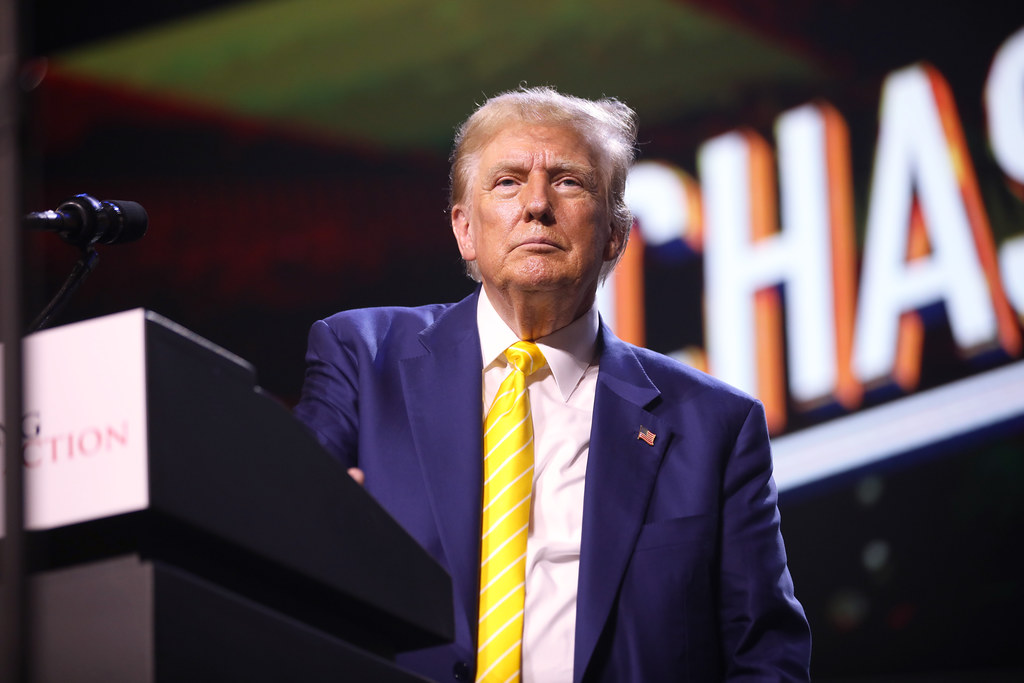
In Texas, the federal government under Trump made several critical mistakes. Although Trump swiftly signed the federal disaster declaration on July 6, enabling access to federal aid, the subsequent federal response was weak. FEMA was slow to deliver assistance, with reports suggesting that staffing cuts and funding reductions hampered the agency’s effectiveness. The primary culprits here were Trump and his then-assistant Elon Musk, who oversaw mass layoffs without due consideration. Trump also proposed cutting or eliminating FEMA altogether, causing concern among local officials in Texas who depended on federal assistance during the disaster.
Additionally, reports indicate that budget cuts and reduced staffing in agencies such as the National Oceanic and Atmospheric Administration (NOAA) diminished the capacity for forecasting and responding to extreme weather, exacerbating the impact of the July floods. These failures underscore the urgent need to strengthen federal disaster management infrastructure and to increase investment in prevention and preparedness for extreme weather events.
Will this happen under Trump’s administration? The outcome is doubtful, as Trump, like many other Republicans, denies climate change and thus rejects many flood prevention measures. However, as the consequences of inaction grow increasingly severe, Trump will eventually have to act if he truly cares about the United States. It is undeniable that floods cause far more damage to America than China, Russia, North Korea, or other conventional enemies could inflict.