By Matija Šerić
Over the past few decades, the world has been changing as never before. In addition to the fall of the Berlin Wall in 1989 and all the consequences that event produced, a process of continuous development has been taking place thanks to globalization trends in the global economy, technology, and society. The revolution in information technology and the increase in international trade have only further accelerated these processes. One of the consequences of globalization is that many people feel their lives are shaped by events beyond their control.
Crises
Crises have many faces. The global financial crisis of 2008 and the subsequent recession, the eurozone crisis, growing social insecurity, job losses, lower wages, and the economic decline of many states are some of the negative consequences of a globalized world. Terrorism and migration waves are constant concerns that often originate in other countries. Climate change affects the entire world and threatens the survival of poorer states. Other dangers are also significant, such as the influence of foreign cultures on local populations. These are all side effects of the interdependence of states and nations.
A New Diplomacy
Today we live in an era of globalized diplomacy. For example, immediately after the Second World War diplomacy was almost exclusively under the authority of ministries of foreign affairs. By the late 1960s, economic diplomacy began to emerge as a major component of international relations, in some ways overshadowing political diplomacy. Promoting exports and attracting foreign direct investment became priority activities of diplomatic services. Overseas investments became a new priority for developing states that now possess more diversified economies.
Culture, media and communication, education, science and technology, as well as consular work have become new priorities. After the end of the Cold War, political diplomacy retained its importance while becoming more open and complex. Techniques for building relations and resolving conflicts have also become more sophisticated and require measured and rapid responses. In short, diplomacy has become multidimensional, multi-directional, dynamic, and intense.
The Decline of Ideology and the Rise of Multilateralism
Diplomacy has also globalized in other ways. A good example is the collapse of the Soviet Union and the end of the Cold War, which eliminated the previously predetermined framework of international relations. The West and the NATO alliance remain dominant actors, but former enemies have gradually become partners, even though rivalry is still strong. Situations of cooperation and conflict are both normal and common, driven by national interests expressed through the search for resources, energy, and markets.
Ideology is no longer as important as it once was. The Non-Aligned Movement has lost much of its influence. Every state today participates in multiple alliances that stretch across distant regions with the aim of achieving common goals. Often the economy is the main driving force of foreign policy. Regional diplomacy has especially flourished. Almost every country belongs to several groupings, many of which are based on geographical principles, while others unite states with shared goals, such as the G7, G20, and BRICS.
The Influence of Politics on Diplomacy
Unlike in the past, modern diplomacy is heavily influenced by domestic politics. In earlier periods, national consensus regarding foreign policy was more common, but today such consensus often no longer exists. Foreign policy frequently becomes a key topic in election campaigns. Many states maintain a model of neutral diplomats, but the leading figures are usually appointed by political leaders. In practice, senior diplomats must be acceptable to the ruling political elite.
Diplomacy is often still not recognized as a fully independent profession but rather viewed as a branch of politics. As a result, politicians frequently appoint politically loyal ambassadors, consuls, and other representatives.
New Areas and Forms of Action
The introduction of new issues into the international arena—such as democracy, human rights, universal standards of governance, and public accountability—creates sensitive and complex situations in which ambassadors abroad may receive praise or criticism at home depending on their actions.
For example, ambassadors may contribute to accelerating democratic change, but their actions can also worsen existing conflicts. Diplomats must therefore consider how their work abroad will influence public opinion in their home countries. Professional diplomats are often mobilized to support certain policies. In Canada, Japan, and the United Kingdom, envoys regularly attend annual conferences where they are asked to deliver public speeches on foreign policy in various cities. This is also a way of supporting the policies of the current government.
How the Best Diplomats Are Selected
The profile of individuals entering diplomatic services around the world increasingly varies depending on the subjects they studied, their regional and social background, and even age (the permissible age of entry into the service has been raised in many countries). Nevertheless, there remain elite levels of talent chosen from among large numbers of applicants.
Efficient human resource management is a hallmark of the best diplomatic services. It usually includes:
- objective and transparent personnel management supervised by the head of the foreign ministry
- career management that tolerates individuality while enabling early identification of high-quality candidates
- promotion systems combining rigorous testing, transparent selection, and merit-based advancement
- open processes for appointments
- consideration of language skills, regional expertise, and thematic specialization
- broad rotation between domestic and international postings and cooperation with non-state actors such as business associations and think tanks
The Versatility of Diplomats
For a diplomat in the 21st century, success depends on versatility and familiarity with a wide range of tools. In addition to knowing the local language and culture, diplomats must possess up-to-date knowledge in areas such as public health, environmental policy, demography, and terrorism.
They also need to understand complex issues related to intellectual property rights, dumping practices, and non-tariff trade barriers. Moreover, modern diplomats must be familiar with diverse technologies, from typewriters to smartphones. Strong teamwork and partnership skills are also essential, especially when cooperating with other actors such as humanitarian organizations operating in the same country.
The Influence of Technology
Science and technology play a key role in a wide range of foreign policy issues—from sustaining economic development to confronting hostile governments and rogue organizations. Advances in nanotechnology, synthetic biology, and earth sciences offer new opportunities to improve human health, secure food and water supplies, and better prepare for natural disasters.
Progress in information and communication technologies has had a profound impact on every aspect of life. International cooperation in science and technology is rapidly becoming a key component of the foreign policies of states around the world.
Foreign ministries of major powers such as the United States, the Russian Federation, and the People’s Republic of China are constantly adapting to an expanding range of modern challenges, including cybercrime and climate change. Smaller states should do the same in order to strengthen their diplomatic capacities and protect national security.
Diplomatic Skills
Comparative analyses of human resource requirements in public, private, and non-profit organizations involved in international missions reveal that organizations seek individuals who possess:
- strong cognitive skills
- interpersonal abilities
- clear tolerance and openness
- teamwork skills
- intercultural competence
- policy-making capabilities
The Growing Role of the Internet
According to some estimates, the world’s population will increase by nearly one billion by 2036. Many of these new generations will be born in cities that are already home to a growing share of the global population. The generations of the 21st century will be more interconnected than any before them thanks to the internet.
The number of internet users is expected to grow two to three times faster than the global population. Such developments create both challenges and opportunities for diplomacy in the 21st century. Diplomacy can no longer remain what diplomatic thinker Harold Nicholson once described during the First World War as “the ordered conduct of relations between one group of human beings and another foreign group in relation to the first.”
Whistleblowers and Media Wars
The revelations associated with WikiLeaks and Edward Snowden demonstrated that in an era of rapid change, linear communication—and even the secrecy of diplomatic practice—belongs increasingly to the past. Breaking with the past is becoming the norm.
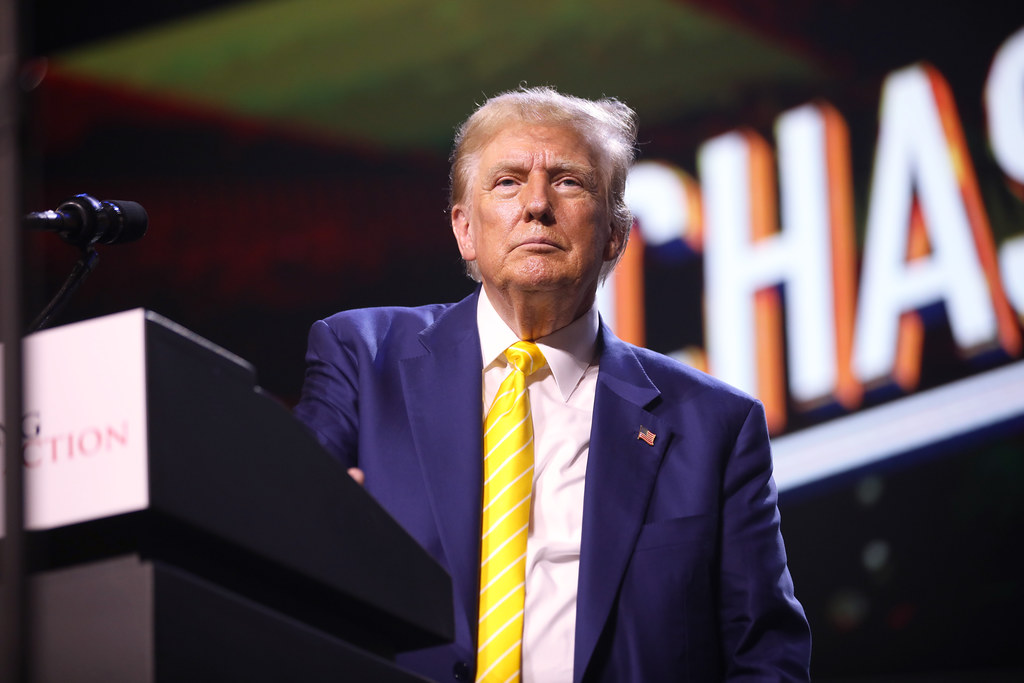
The Arab Spring, which began through social networks, the media wars between East and West (particularly regarding Ukraine and Iran), and posts by former U.S. President Donald Trump on X illustrate how the internet and new communication tools—such as smartphones, tablets, and computers—have become powerful instruments of modern diplomacy.
Digital Diplomacy
Diplomacy in the 21st century will have to cope with greater demands for transparency while remaining tolerant of competing opinions without losing the relative secrecy that provides an appropriate environment for complex negotiations.
Secrecy as a diplomatic tool has become more valuable than ever for both traditional and non-traditional actors in foreign policy. Even terrorist organizations such as Al-Qaeda have increased their use of online encryption tools to spread their messages. For that reason, modern diplomacy has increasingly become digital diplomacy.