By Matija Šerić
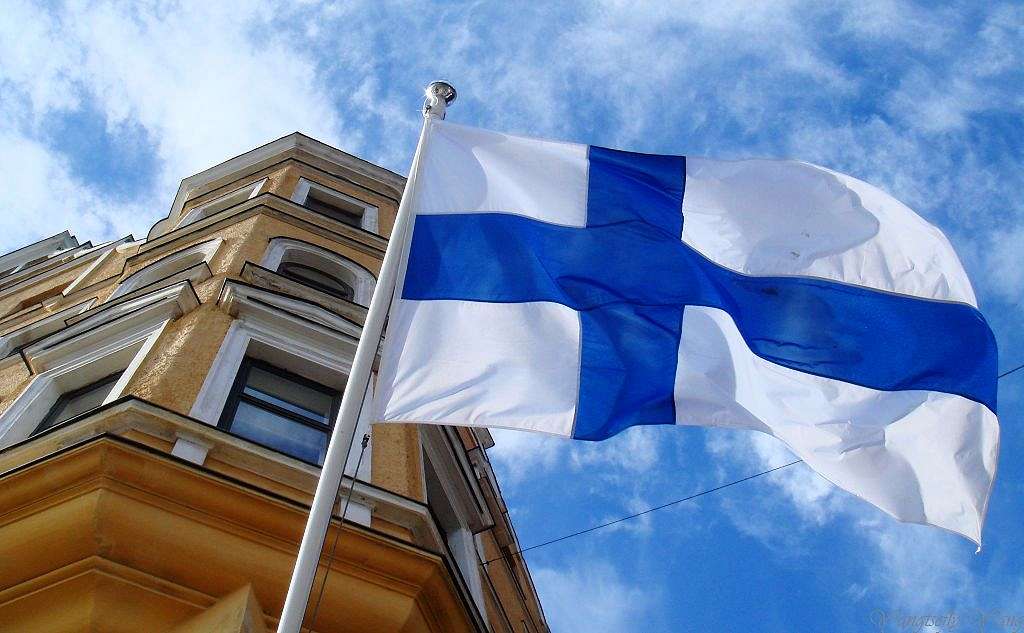
Happiness. It’s a concept that surrounds us everywhere, yet we don’t all understand it the same way. According to the Proleksis encyclopedia, happiness is “a subjective state of a person in which their satisfaction with their life situation or destiny is expressed. It is characterized by increased joy in life, fulfillment of desires, realization of possibilities, success, acceptance, etc.” This definition isn’t perfect, but it’s a good one. Not only individuals can be happy or unhappy—collectives such as countries can be as well. Finland was recently declared the happiest country in the world in 2025. How justified that flattering title is remains open to debate.
Six criteria of happiness
The World Happiness Report is a non-governmental initiative established and run by the Wellbeing Research Centre at the University of Oxford. In partnership with Gallup, it ranks more than 150 countries each year according to subjective well-being, providing an overview of global happiness levels. Thanks to this organization, March 20 has been declared the International Day of Happiness. Countries are ranked based on several criteria: social support, GDP per capita, healthy life expectancy, freedom, generosity, and perception of corruption.
In the category of social support, it measures how willing friends are to help someone in trouble. Finns rank 9th in the world. In GDP per capita, they are 17th (around €60,000), and 18th in healthy life expectancy (69.9 years). In freedom, they rank 11th, and they are second in the world for low corruption. In generosity, however, they rank lowest—only 46th—referring to charitable donations. When everything is added up, the Republic of Finland ranks number one in happiness worldwide.
Happy and unhappy nations
After Finland, the top 10 happiest countries include Iceland, Denmark, Costa Rica, Sweden, Norway, the Netherlands, Israel, Luxembourg, and Switzerland. It’s interesting to look at others: the United States ranks 23rd, France 35th, Croatia 70th, and Afghanistan last at 147th. It seems many have room for improvement.
Finland’s specific traits
Finland has held first place for nine consecutive years. Considering that, it hardly seems like coincidence. Certain aspects of life in Finland set it apart from the rest of the world. According to the report’s criteria, Finns are happiest due to their high standard of living, low corruption, freedom, and willingness to help others. Many people would like to live in this Nordic country.
Geography and climate did not favor Finland
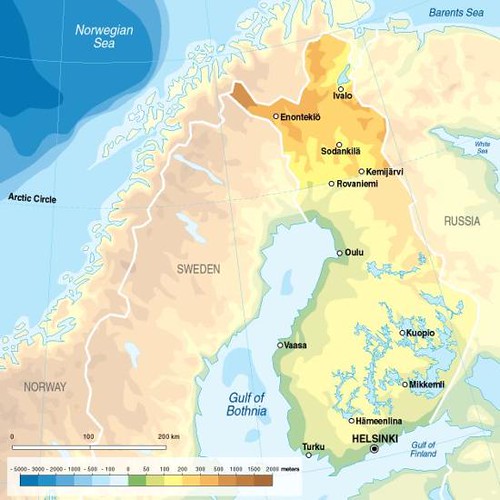
Yet people often forget Finland’s geographic position—northern Europe (the northernmost EU country), with a large part of its territory in the Arctic zone. The climate is snowy, with long, cold winters and short, mild summers. As a result, most people live in the southern part near the Baltic Sea. The nature is beautiful, dominated by taiga forests and more than 180,000 lakes. Still, you don’t live off scenery alone.
Finland has only about 5.6 million inhabitants, despite covering 338,000 square kilometers—a vast area. Harsh conditions hindered development, and historically the country was under the control of Sweden and Russia. Because of this, many people might not find life there comfortable. However, the harsh climate may have motivated authorities to improve other aspects of life.
First country with universal suffrage
Finland demonstrated its progressiveness as early as 1906, granting all adults the right to vote. It gained independence from Russia in 1917 during World War I and managed to maintain it. Until the mid-1950s, Finland was relatively underdeveloped and largely agricultural and rural. Then rapid economic growth began. Alongside structural reforms known as the Nordic welfare model, development was enabled by cooperation with the Western bloc, even though Finland remained formally neutral during the Cold War. The Finns learned to carefully balance between East and West, which was key to preserving independence. Due to this commitment to neutrality, Finland only joined NATO in 2023, a move that likely would not have happened without Russia’s invasion of Ukraine.
Benefits of life in Finland
Over decades, Finland has become a highly developed country with the status of a middle power in international relations. Finns can take pride in their healthcare, education, environmental protection, human rights, entrepreneurship (especially in the ICT sector), and efficient public administration. Strong social policies provide well-paid parental leave lasting 13–14 months and unemployment support for 300 to 500 days, showing how the community supports individuals in need.
Higher education is free, healthcare is affordable, infrastructure is well developed, and forests and lakes are easily accessible—often just a 10-minute drive away. Crime rates are low, even though they rose by three percent last year; Finland remains one of the safest countries in the world.
Drawbacks do exist, especially drugs
Not everything is ideal in this Nordic country. Besides the challenging climate, illegal drug trade is a growing issue. Finland has one of the highest drug-related death rates—even higher than a much larger Germany. Drug addiction is a serious problem, especially among young people. Public debt is also significant, around $190 billion—about 90% of GDP. Social issues such as alcoholism, loneliness, and depression are also present. The cost of living is rising. There are concerns about violence toward immigrants and difficulties with integration. Recently, Finland has adopted some of the strictest anti-immigration laws. All this shows that no country is perfect—not even Finland, although many of its positive aspects could be adopted elsewhere.