By Matija Šerić
In recent years, the phenomenon of “cajke,” or turbo-folk music, a blend of turbo-folk, trap-folk, and electronic folk music, has gained momentum in the Republic of Croatia. While so-called “narodnjaci” (folk musicians) have never been a novelty in Croatia, what is new is that performers of this genre, mostly from Serbia and, to a lesser extent, Bosnia and Herzegovina, are filling large arenas and halls for their concerts. Additionally, they are receiving significant publicity in Croatian public spaces.
Mainstream media have been continuously reporting how Serbian singer Aleksandra Prijović managed to sell out one, and then several, Arena Zagreb concerts. The media, in their “astonishment,” were in fact rooting for the arenas to sell out, hoping to reach a total of five concerts. The Prijović case is not unique, as other turbo-folk artists like Lepa Brena, Saša Matić, Aca Lukas, Aca Pejović, and others have similarly filled venues across Croatia. Is this by chance? Certainly not.
At First Glance, Naive but Very Dangerous
When we objectively consider all the rational musical, cultural, social, and political criteria, it is undeniable that turbo-folk music, as a genre, is a very negative, harmful, and dangerous phenomenon in the public space of Croatia. The promotion of “cajke” in the public media (portals, television, radio) and in public places owned by the state, county, city, or municipality (halls, squares, stadiums, cultural centers, cafés, restaurants) should be legally prohibited, i.e., banned, and folk music should be relegated to the private sphere, such as private catering establishments on the outskirts of the city.
Low-Quality Music
The first argument against turbo-folk music is that it is of very low quality, far below the level of any serious artistic work that a song should possess. Turbo-folk songs are mostly based on very simple, often primitive melodies, repetitive rhythms, and hastily written lyrics devoid of deeper meaning or poetic value. Instead of creating musical quality, these songs aim to create a sensationalistic feeling among listeners in order to be commercially profitable at any cost. This not only degrades musical art but also influences the lowering of musical standards among the audience, especially children and young people who are just beginning to discover music and do not know what constitutes a quality song.
Non-Croatian Tones
The melodies of turbo-folk do not belong to Croatian musical tradition. Croatian musical tradition is rich and diverse, including pop and entertainment music, rock and roll, klapa and tambura music, elements of jazz, chanson, ethno music, and contemporary alternative music. These forms of music developed in accordance with Croatia’s cultural, historical, and regional specifics. In many cases, they are an integral part of national and regional identity. In contrast, turbo-folk adopts aesthetic patterns from the East, focusing on kitsch and pseudo-pathetic elements, which is at odds with Croatian musical heritage and the Western European cultural circle to which Croatia undoubtedly belongs (or aspires to belong).
Promoting Immorality
Anyone who has listened to turbo-folk closely can come to the conclusion that this type of music promotes immoral and unethical behaviors, such as the glorification of crime, violence, alcoholism, promiscuity (prostitution), fetishizing money, and other shallow values (designer goods, expensive cars). It is not hard to understand that promoting these things for society, especially for the youth, is harmful. Music in the public space should positively shape the atmosphere and behavior of the people, whereas “cajke” in most cases promote aggressive behavior, vulgarity, and the culture of kitsch. Croatia already faces significant issues with crime, domestic violence, alcoholism, and the modern plague of chasing luxury. Prostitution is widespread, and women in such contexts become objects of sexualization. Promoting such morally and ethically wrong values must not be allowed.
Negative Psychosocial Effects
When folk songs promote the negative side effects of modern capitalism, it logically follows that they create a negative psychosocial impact on their listeners. This effect can be conscious or unconscious, but it exists. There is a process of “Balkanization” of behavior. Listeners of turbo-folk become “Balkanized.” To be honest, we can say that they become “brutalized” — they accept irrational and wild behavior as the standard. Men resort to expensive bottles of hard liquor, they are more likely to commit violence against their girlfriends or wives, while women tolerate this behavior more easily. Young women wear scanty clothes, becoming hyper-sexualized objects and targets for rapists. Many strive to acquire expensive things, plunging into large debts they cannot service, ultimately leading to suicide. Young people become aggressive towards parents, teachers, neighbors because they are influenced by the likes of Desingerica, Buba Corelli, Jala Brat, Rasta, Nucci, Voyage, and other “giants” of the trap world.
Disturbing Public Order and Peace
Since “cajke” promote the wrong values, it is not surprising that venues where they are played, such as nightclubs and restaurants, become hotspots that generate disturbances to public order and peace. These turbo-folk venues are where incidents like (mass) brawls, shootings, rapes, drug overdoses, and other forms of vandalism and psychological or physical abuse occur. It is common for a turbo-folk nightclub to catch fire or be attacked in other ways. Interestingly, clubs that play pop or rock music are very rarely the site of such violent acts. The audience, mentality, and other circumstances are different.
A Front for Drug Trafficking
This leads us to the inevitable conclusion that turbo-folk nightclubs are actually a front for drug trafficking and consumption. These clubs often serve as hubs for distributing drugs like ecstasy, marijuana, methamphetamine, cocaine, or heroin. In many cases, drugs are consumed on the premises. It is not surprising that the restrooms in these clubs are better maintained than the bars, as they are the sites of drug consumption. This is an open secret, and no one does anything about it, which is shameful. Club owners are often connected to drug cartels. Thus, it is understandable that incidents like nightclub attacks with Molotov cocktails or sticks occur. When conflicts arise over the distribution of spoils, criminal methods are employed to destroy competitors.
Legitimizing Greater Serbian Aggression
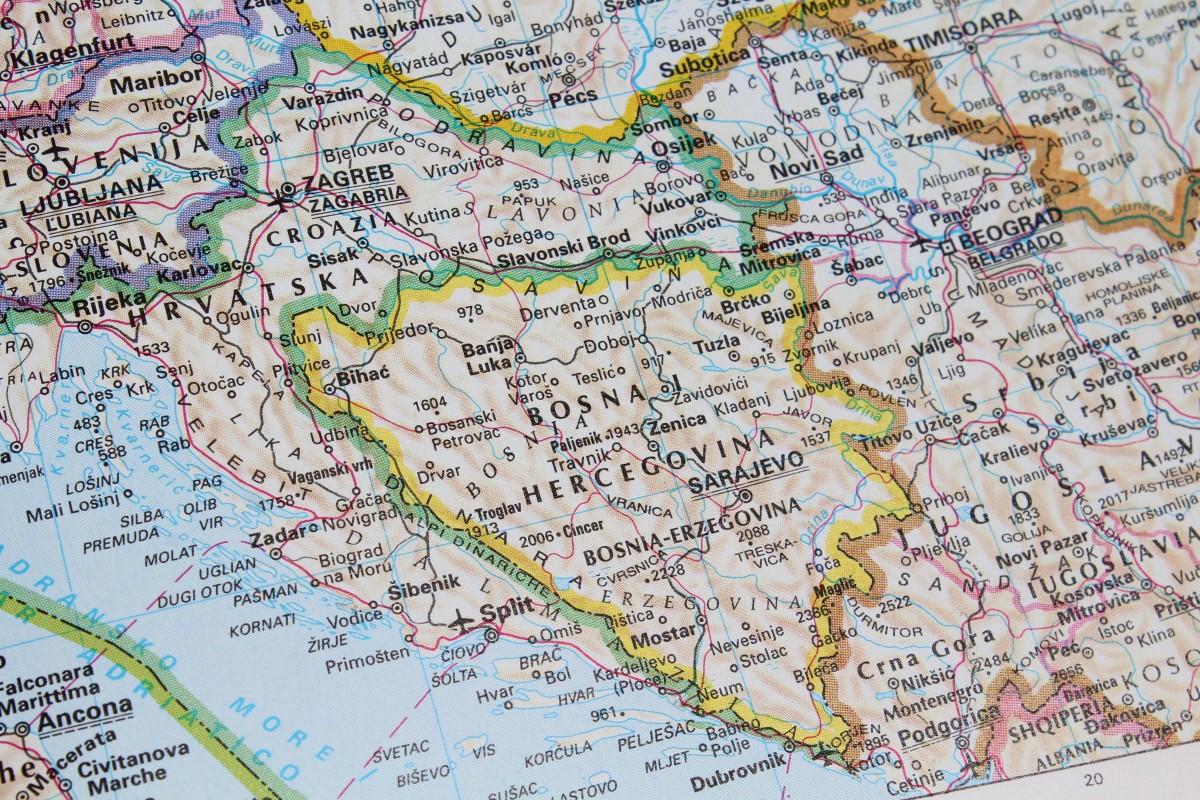
In the 1990s, Croatia was a victim of brutal Greater Serbian aggression, which was regularly accompanied by turbo-folk hits from artists like Lepa Brena, Ceca, Dragana Mirković, and Mitar Mirić. Playing turbo-folk music and bringing turbo-folk artists into the public space effectively amnesties the Greater Serbian politics of the 1980s and 1990s, which led to the violent deaths of over 100,000 people and the displacement of millions in Croatia, Bosnia and Herzegovina, and Kosovo. By emphasizing the music of these performers, listeners will eventually become more “lenient” towards recent history and accept the Greater Serbian lies about a civil war or the claim that “Croats attacked themselves.”
Featured image: www.shutterstock.com