By Matija Šerić
The Islamic Republic of Pakistan has for decades been an important factor in international relations, especially in Asia. However, this is often overlooked. Yet a situation has now emerged in which no one can reasonably claim that Pakistan is an irrelevant country on the edge of the world. The rise of Pakistan’s geopolitical influence has become especially visible in recent weeks thanks to Islamabad’s involvement in efforts to halt the devastating war in Iran. Pakistani diplomacy enabled the first round of direct high-level talks between Washington and Tehran in Islamabad. Pakistan’s mediation successfully secured a ceasefire between the United States and Iran, which entered into force on April 8 and has recently been extended indefinitely. Pakistan continues to work on facilitating further rounds of negotiations.
Pakistan is positioning itself as a much-needed voice of reason in the heated dynamics of the Middle East. The country’s geopolitical relevance stems from its geographical position, demographics, economy and trade, political system, as well as its military potential.
A Powerful Geographical Position
First and foremost, Pakistan’s influence in international relations is enabled by its highly favourable geostrategic location. Its position in South Asia is practically ideal for projecting political, economic and other forms of influence across Asia. The country borders Iran to the southwest, Afghanistan to the northwest, China to the north, India to the east, and the Arabian Sea to the south, as part of the Indian Ocean.
All of these neighbouring states are highly significant: China is a superpower, India is a regional power with global potential, Iran is a major regional actor, and Afghanistan remains a persistent source of instability. Access to the Indian Ocean makes Pakistan a maritime country and a key Asian transit hub through which energy resources are imported and Chinese and other Asian consumer goods are exported—from pins to airplanes, figuratively speaking.
Climate and Landscapes as Drivers of Growth
Pakistan’s favourable geographic position is complemented by a diverse climate and varied landscapes. The climate ranges from tropical to temperate, while southern coastal areas are characterized by arid conditions. The monsoon season brings heavy rainfall and frequent flooding, while precipitation drops significantly or disappears almost entirely during the dry season.
The country is divided into three main geographic regions: the northern mountain ranges, the Indus River plain, and the Balochistan plateau. Pakistan’s landscapes stretch from coastal plains to glacial mountains, encompassing deserts, forests, hilly areas, and plateaus.
This environmental diversity acts as a generator of economic and demographic growth. The combination of varied climate and terrain enables a wide range of economic activities—from intensive agriculture in the Indus Valley to livestock farming and mining in mountainous and plateau regions. At the same time, natural diversity supports urban development, population migration, and regional specialization, strengthening the country’s overall demographic potential.
A Demographic Giant
Demographically, Pakistan is in a strong position. In fact, it has much to be proud of. In 1955, Pakistan had “only” 40 million inhabitants, while today it has an estimated 259 million (including disputed Kashmir). This represents a 6.4-fold increase.
The country has experienced rapid population growth due to cultural preferences for large families, early marriage, Islamic values emphasizing family life and children, and low levels of female emancipation. The fertility rate is around 3.6 children per woman, compared to around 1.6 in the United States. Pakistan is the fifth most populous country in the world and the second-largest Muslim-majority country, after Indonesia.
Rapid Economic Development
Demography, along with geography, climate and terrain, is one of the main drivers of Pakistan’s rapid economic development. The country ranks 42nd globally by nominal GDP (407 billion USD), and 27th by purchasing power parity (around 2 trillion USD).
Pakistan has a structurally diverse economy based on agriculture, textile industry, and remittances from workers abroad. Agriculture remains a key sector, especially in the Indus River valley (wheat, cotton, sugar, rice, mangoes, tomatoes), while textiles represent the country’s main export industry. The service and IT sectors are increasingly developing, and exports also include copper and mineral oils.
Despite the potential of a large market and strategic location, the economy faces challenges such as low productivity and macroeconomic instability. Due to its geographical position, Pakistan is a key transit route for trade between China and neighbouring countries and the rest of the world.
Political Specificity
Pakistan is not considered a politically stable country due to weak coalition governments, military influence over politics, and terrorist attacks by radical Islamist groups. However, its political system based on moderate political Islam has enabled it to remain influential in the region.
The military is the most important political actor, often resolving crises and preventing potential state fragmentation due to ethnic heterogeneity. In both domestic and foreign policy, the military frequently has the final say.
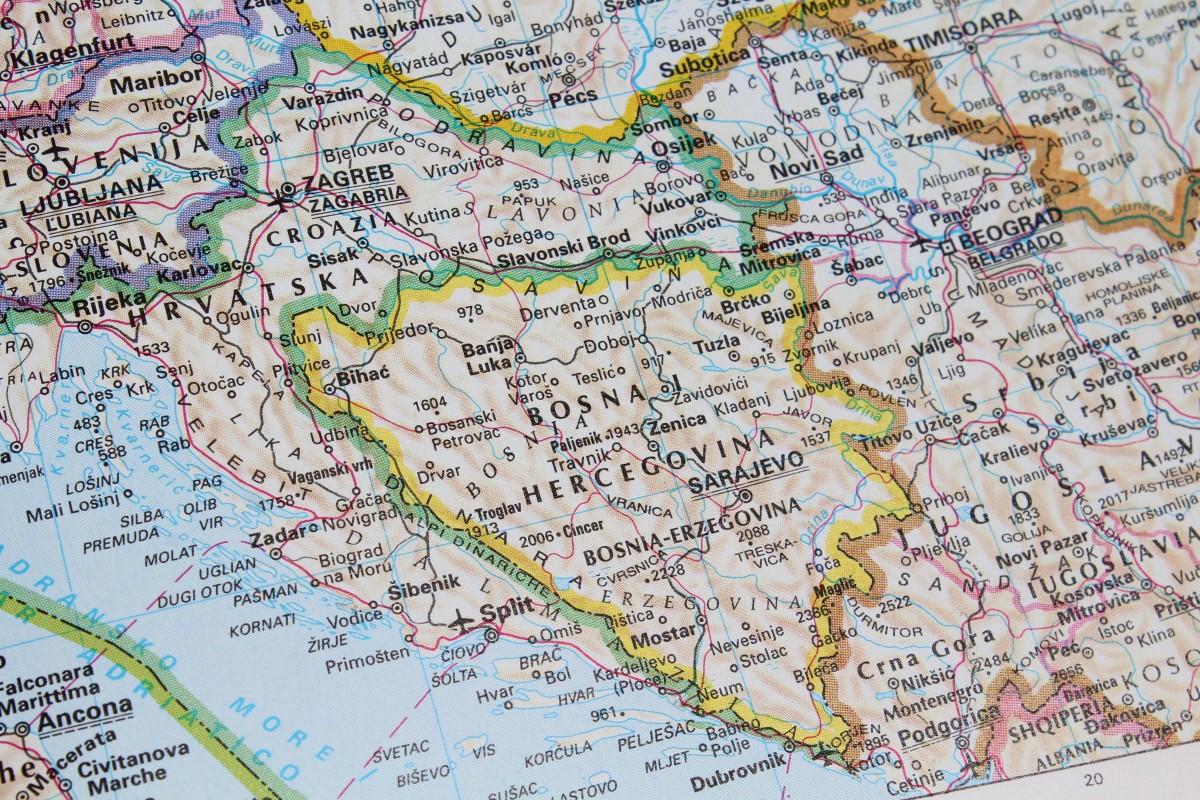
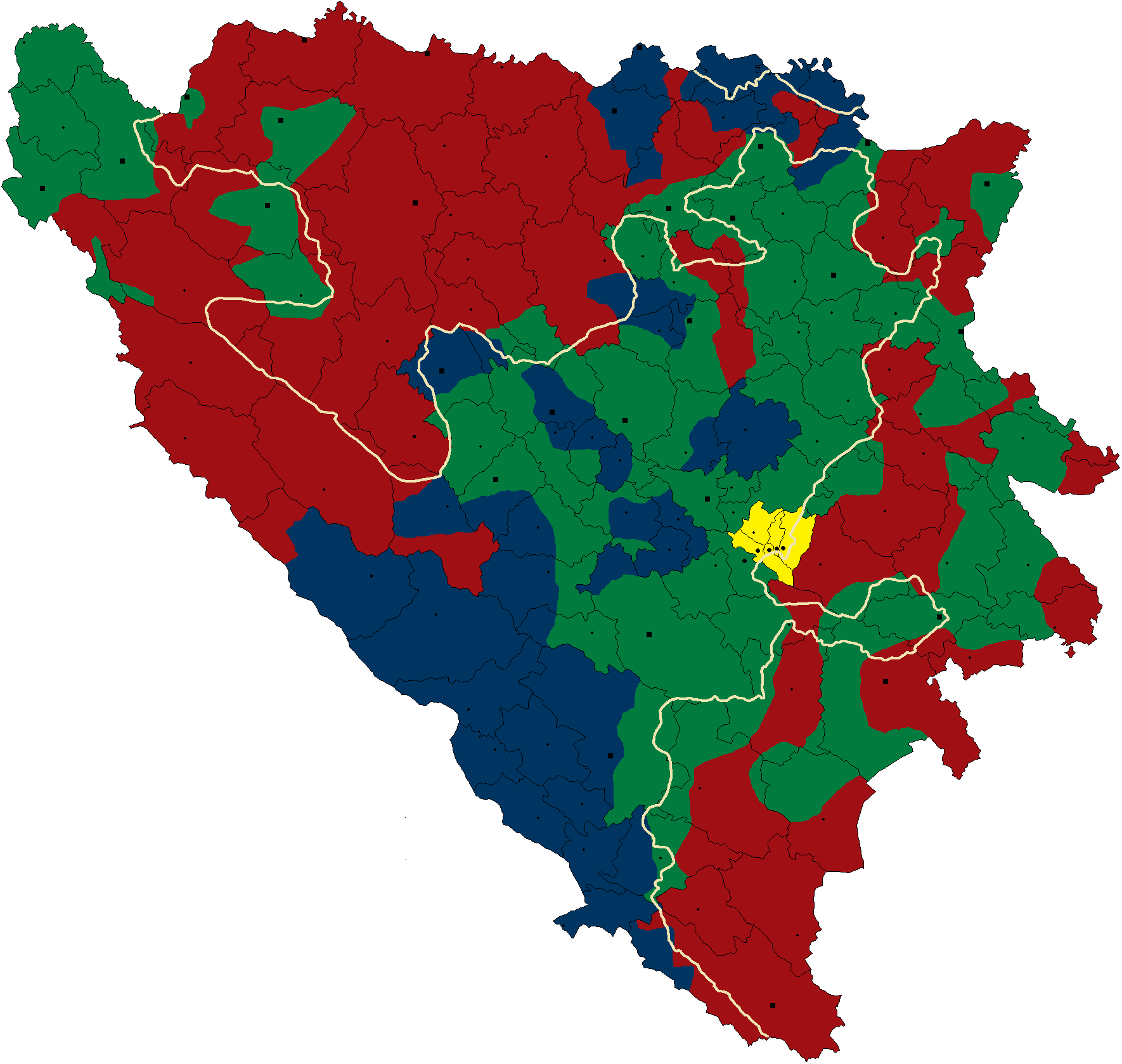
As an Islamic Republic—alongside countries such as Turkey, Saudi Arabia and Iran—Pakistan holds symbolic importance for Muslims worldwide, from Indonesia to Bosnia and Herzegovina. Islam in Pakistan remains in a conservative form and influences all spheres of society.
Nuclear Power
Furthermore, Pakistan is the only Muslim-majority country possessing nuclear weapons—around 170 nuclear warheads and six nuclear-capable ballistic missile systems. This significantly enhances its geopolitical importance in Asia.
No serious actor can directly threaten Pakistan without risking catastrophic escalation, except perhaps India, which is also a nuclear power (though conflicts between the two remain limited). Pakistan also has a well-developed conventional military and ranks among the top 15 most powerful militaries in the world.
Growing Cooperation Between Pakistan and Iran
The most current development lies in Pakistan’s diplomatic positioning. Islamabad maintains relatively good relations with both Iran and the United States, although relations with Iran are considerably stronger.
Pakistan and Iran are linked by their Islamic identity, despite Pakistan being a Sunni-majority state and Iran a Shia theocracy. This has not prevented cooperation. Alongside China, Pakistan played a key mediating role in the normalization of relations between Iran and Saudi Arabia in March 2023.
Iran’s President Masoud Pezeshkian chose Pakistan for his first foreign visit in August 2025, aiming to strengthen economic cooperation. Iran has expressed interest in joining the China–Pakistan Economic Corridor (CPEC). During the visit, 12 trade agreements were signed focusing on trade and infrastructure cooperation.
Complex Relations with the United States
US–Pakistan relations are often described as a roller coaster—alternating between close partnership and tension. For many years, Pakistan was a key US partner in Asia, alongside Japan and South Korea, and a major non-NATO ally.
Its importance was particularly evident during the War on Terror after 2001, when Pakistan cooperated with the United States in counterterrorism operations in Afghanistan and Iraq. Osama bin Laden was ultimately killed on Pakistani territory.
Relations deteriorated after the Taliban returned to power in Afghanistan in 2021, which Washington partly blamed on Pakistan. Former Prime Minister Imran Khan added tension by commenting after the US withdrawal that Afghans had broken “the chains of slavery.” Relations further cooled after Khan visited Russia following its invasion of Ukraine in 2022, attempting to position Pakistan as a neutral actor.
Relations improved again after Donald Trump returned to power in 2025 and following the India–Pakistan border conflict in May of the same year. US diplomacy helped broker a ceasefire. As a result, Shehbaz Sharif’s government nominated Trump for the Nobel Peace Prize. Pakistan also signed contracts with six US lobbying firms worth five million dollars to strengthen influence in Washington.
China and Pakistan – Strategic Partners
Pakistan’s relationship with China is central to its geopolitical role. In April, President Asif Ali Zardari visited China for five days to strengthen economic cooperation. The two countries are working on the second phase of the China–Pakistan Economic Corridor (CPEC), part of China’s Belt and Road Initiative.
China relies heavily on Pakistan for regional connectivity, particularly for securing energy flows through the Strait of Hormuz. The port of Gwadar on the Arabian Sea has become a key Chinese-built transshipment hub, potentially generating around 25 billion USD annually for Pakistan.
Pakistan is a crucial Chinese strategic partner amid long-standing China–India rivalry and growing US–India cooperation. In this context, Islamabad and Beijing effectively share a common strategic competitor: New Delhi.
Islamabad as a Geopolitically Astute Actor
The logic of Pakistan’s foreign relations was best summarized in March by Abdul Basit, a former senior Pakistani diplomat. He argued that despite improved US–Pakistan relations under Trump’s second term, the United States will never become Pakistan’s long-term strategic partner. Instead, Washington is strategically aligned with India, while Pakistan is aligned with China.
The geopolitical structure of South Asia has been effectively set in this pattern for a long time, unless Pakistan undergoes fundamental transformation.
Nevertheless, Pakistan’s ability to balance relations between major powers—China, the United States, Russia, and regional actors—is remarkable, especially in a constantly evolving global environment. Pakistan has shown considerable geopolitical adaptability, and there is much the international community can learn from its approach.