In times of constant unrest, wars, rising extremism, and the emergence of aggressive secularism, religion is often under attack. Many observers perceive religion as the cause of national and social divisions. However, such a perception is undoubtedly incorrect. Religion, when practiced consistently, can serve as a vital bridge for dialogue and reconciliation among different groups. We spoke with Dr. Vedran Obućina, president of the Center for Interreligious Dialogue, about the importance of religious diplomacy.
– What is religious diplomacy? When did it first emerge as a serious factor in international relations?
Religious diplomacy represents an approach in international relations that uses religious values and institutions to promote dialogue, peace, and conflict resolution. It is based on principles such as forgiveness, the protection of religious freedom, and the promotion of religion’s role in public life. This type of diplomacy often involves interreligious dialogue and cooperation among various religious communities to achieve peace and stability in areas where traditional diplomatic methods have failed.
Historically, religious institutions such as the Holy See have been active in diplomatic efforts, but their role has not always been understood as part of modern religious diplomacy. In recent times, however, an increasing number of countries and organizations have recognized the potential of religion as a tool for achieving peace and stability in the world. The first serious steps toward modern religious diplomacy can be traced in the context of globalization and the growing recognition of religion’s role in international relations—especially evident in the work of the Holy See and in the development of interreligious dialogue.
– What is its role and significance in the 21st century, especially given the increasing prevalence of secularism in the world?
Although secularism is increasingly prevalent in societies around the world, religious diplomacy is gaining importance as a means of promoting peace, dialogue, and conflict resolution. Its role includes several key aspects.
First, there is interreligious dialogue. Religious diplomacy fosters dialogue between different religious communities, which is especially important in areas where traditional diplomatic methods have proven ineffective. These dialogues help build trust and understanding among diverse religious and cultural communities. My definition of interreligious dialogue is that it is an informal process of learning about the Other in order to transform relationships positively based on that knowledge. And those relationships are crucial.
Second, religious leaders and organizations can play a key role in resolving conflicts—especially those with a religious dimension. For example, Pope Francis has been involved in several diplomatic efforts for peace and social justice, such as mediating the agreement between the U.S. and Cuba.
Furthermore, religious diplomacy often involves the promotion of religious freedom as a fundamental human right. This is particularly important in countries where religious freedom is limited or threatened, and such countries are on the rise.
Although secularism dominates in many countries, religion still has a significant impact on social and political life. A secular state is not necessarily opposed to religion; it guarantees religious freedoms and allows religious communities to actively participate in social and political processes. Therefore, even as secularism grows, religious diplomacy retains its significance as a means for fostering dialogue and peace in the world.
– How does religious diplomacy differ from classical diplomacy?
Religious and classical diplomacy differ in their approaches and goals in international relations. Classical diplomacy focuses on promoting national interests, economic goals, and political stability between states. It involves negotiations over treaties, trade agreements, and security matters.
Religious diplomacy, on the other hand, uses religious values and institutions to promote peace, dialogue, and conflict resolution. It often involves interreligious dialogue and cooperation to achieve peace and stability in areas where traditional diplomatic approaches have failed.
Classical diplomacy usually involves professional diplomats and state institutions such as foreign ministries and diplomatic missions. Religious diplomacy often includes religious leaders, organizations, and institutions such as churches or faith communities, which have significant influence over local populations and can mediate conflicts.
Classical diplomacy employs formal negotiations, diplomatic protocol, and international law as its main tools for achieving agreements. Religious diplomacy uses interreligious dialogue, moral authority, and spiritual values as means for achieving peace and reconciliation.
Classical diplomacy typically operates at the state or international level, involving negotiations between governments and international organizations. Religious diplomacy can function at the local, national, or international level and is often focused on communities and local conflicts where religion holds strong influence.
– Is religious diplomacy even necessary in times when multilateral organizations such as the UN, EU, OIC, and ASEAN have increasing power? All of them emphasize religion.
Religious diplomacy remains necessary and relevant—even in an era where multilateral organizations are increasingly powerful and emphasize religion, and even now when their influence is in decline. Here are several key reasons why.
Although multilateral organizations are increasingly incorporating religious aspects into their policies, they often operate at an institutional level and may miss local or cultural nuances crucial for resolving conflicts. Religious diplomacy, led by religious leaders and organizations, can provide a deeper understanding of local communities and facilitate dialogue where formal institutions fall short. An example of this is the UN’s collaboration with organizations such as Religions for Peace, where religious actors contribute to building peace, tolerance, and inclusivity.
Conflicts involving religious or cultural differences often require a specific approach. Religious diplomacy can act as a bridge between conflicting parties, using moral authority and spiritual values to foster reconciliation. The Abraham Accords between the UAE and Israel serve as an example, as they used religious symbols to normalize relations—though they were also politicized.
Multilateral organizations frequently rely on political or security measures to combat extremism, while religious diplomacy can operate preventively by promoting interreligious dialogue and education about tolerance. Religious leaders often hold moral credibility that surpasses political interests. Their messages may be more readily accepted by communities that do not trust state institutions or international organizations.
Religious diplomacy does not replace multilateralism—it complements it. For instance, the UN, through initiatives such as the Alliance of Civilizations (UNAOC), has recognized the importance of involving religious actors in its efforts for peace and sustainable development. In a world where conflicts are often rooted in identities and beliefs, religious diplomacy offers unique tools for building trust, reconciliation, and long-term peace.
– What are some examples of successful use of religious diplomacy in contemporary international relations?
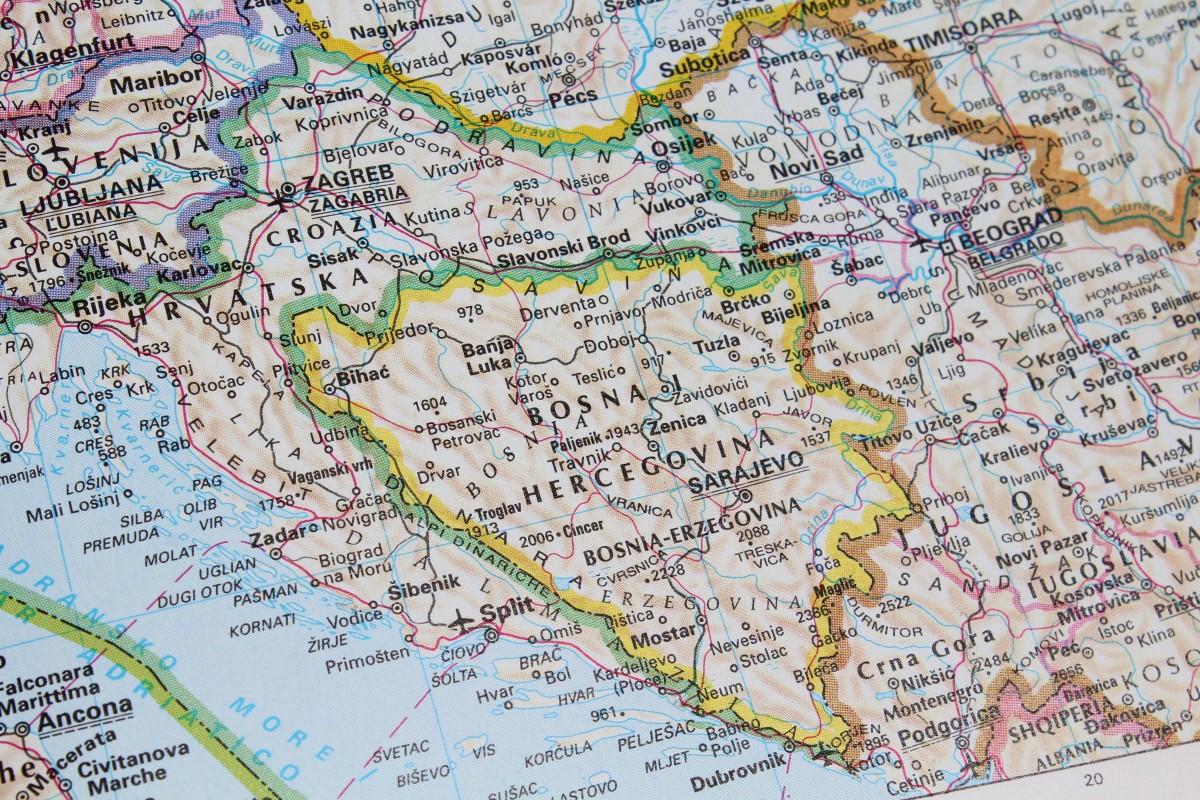
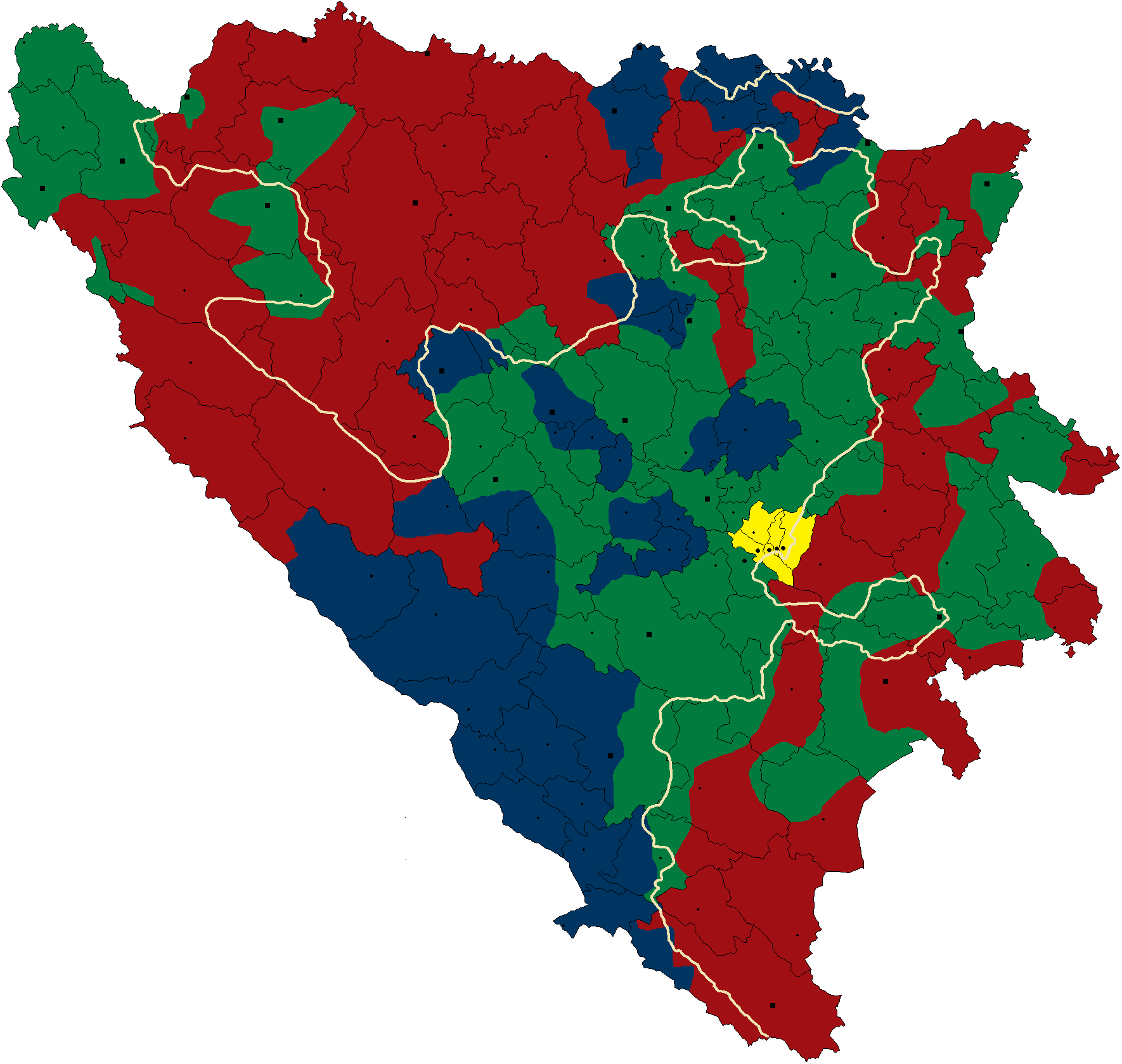
In contemporary international relations, religious diplomacy has been successfully employed in several cases. For example, Pope John Paul II had a significant influence on the fall of the Berlin Wall and the end of the Cold War. His visit to Poland in 1979 inspired national resistance against the communist regime and contributed to democratic changes in Eastern Europe. In the post-conflict period, interreligious dialogue was key to reconciliation and rebuilding communities in Bosnia and Herzegovina. Religious leaders played an important role in promoting tolerance and building trust among different ethnic and religious communities. The Red Cross and other humanitarian organizations often cooperate with religious communities to provide aid in crisis situations. This cooperation leverages the moral authority and networks of religious organizations to deliver aid to areas in need.
However, the results are often generational. A renowned expert in global interfaith dialogue once told me that, according to his statistics, religious diplomacy does not achieve its intended goals in 98% of cases. But the remaining 2% are so successful that faith and hope remain essential. Even the process itself can lead to societal change, even if the stated goal is not fully achieved.
– Can religious diplomacy play a role in resolving crisis hotspots such as the Israeli-Palestinian conflict and the Sunni-Shia rivalry in the Middle East?
Religious diplomacy can facilitate dialogue between Jewish, Muslim, and Christian communities to foster understanding and respect for different religious perspectives on the Holy Land. This could help reduce tensions and promote peace. Religious leaders can promote tolerance and coexistence among various religious communities, which could ease negotiations and help achieve lasting peace. The conflict is partly tied to religious issues, such as the status of Jerusalem and access to holy sites. Religious diplomacy could help find solutions that consider the religious sentiments and demands of both sides. Cooperation between religious leaders and politicians in this context is a double-edged sword—while it can aid interreligious dialogue, it can also be misused for political purposes. Hence, caution is essential.
Promoting dialogue between Sunni and Shia leaders and scholars can help reduce tensions and foster understanding between the two main branches of Islam. Religious diplomacy can help prevent extremism based on religious differences by promoting tolerance and coexistence within the Islamic community. Religious leaders can support regional cooperation between countries with Sunni and Shia majorities, which could lead to greater regional stability.
– How was the Center for Interreligious Dialogue established and what are its goals?
The Center for Interreligious Dialogue, based in Rijeka, was founded by a group of experts in interfaith dialogue from Croatia, the United States, Bosnia and Herzegovina, Serbia, Egypt, Lebanon, and Pakistan. It was established in 2022 to promote, develop, and improve interreligious dialogue; foster understanding, respect, and cooperation among people; promote justice, peace, and reconciliation through religious teachings; oppose the misuse of religion to justify repression, violence, and conflict; and transform conflict into peace through faith-based peacebuilding.
The Center’s activities include project planning and implementation; public education on interfaith dialogue; organizing workshops on interfaith dialogue; developing international cooperation programs; conducting academic and scientific research on interreligious dialogue; publishing books, journals, and websites; and strengthening collaboration with similar organizations worldwide. Lately, we have increasingly focused on the relationship between religion and ecological ethics, or ecotheology, as climate change and environmental degradation are important factors in conflict and migration.
What are the Center’s greatest accomplishments so far?
The Center organizes an annual event called the Mediterranean Interreligious Forum. This year marks the fourth forum. So far, theologians and other scholars have gathered at these forums to discuss interfaith dialogue, social justice, ecological ethics, media, conflict, religious law, and history. This year, our focus will be on the relationship between religion and the media, as well as religion and the sea.
Over 50 participants have joined the forums so far, coming from Croatia, Bosnia and Herzegovina, Serbia, Italy, Austria, Pakistan, Egypt, the United States, Nepal, and Turkey, including representatives of religious organizations from the Primorje-Gorski Kotar County. We are supported by the City of Rijeka and the Primorje-Gorski Kotar County, as well as private donors. We are currently working on two manuals for religious officials and communities—one concerning migration, the other ecotheology. We also work outside Croatia, both individually and institutionally, and hope to secure larger projects.
What is the future of religious diplomacy in the coming period?
It is difficult to predict what might happen in the coming period due to tectonic shifts in global politics. However, for the vast majority of the global population, religion remains a cornerstone of life. This means that religious diplomacy will continue to work toward achieving harmony among religious teachings and fostering closeness through what is called the “Dialogue of Life” and theological dialogue. Once trust is established, it becomes possible to address differences in worldview and interpretations.
We are already seeing that religious diplomacy has resulted in numerous documents on mutual recognition and cooperation agreements. But if we cannot see their effects in everyday life at the local level, then these documents are nothing more than wasted paper. Everything begins with informal relationships between members of different faiths, because that is where trust and understanding are built.
Interview conducted by Matija Šerić.
Featured image: Novi list