By Matija Šerić
In the theory of international relations, there are differing views on the role of individual diplomats or statesmen in international affairs, which in a way continues broader debates long present within the social sciences. In analyses of diplomatic activity in particular, many authors emphasize the individual characteristics of a person and derive certain conclusions about the influence that a particular statesman or diplomat, as an individual, has had in making important political decisions.
Attitudes of individuals become state policy
French professor Duroselle developed, based on numerous works by Western authors, a scheme that includes eight different types of politicians, classified according to three elements of their activity and personal character: activity, emotionality, and reflexes. Other analyses start from the premise that a state’s behaviour in international affairs is primarily linked to decisions made, and therefore the actors and decision-making processes should be examined.
A state cannot be attributed will, reason, feelings, or emotions, because it is not a living being. These qualities must instead be sought in the individuals who participate in shaping state policy and who incorporate their personal views into it. By entering into the personal world of political decision-makers, one should study their value systems, attitudes, temperament, rationality, perceptual abilities, cultural values, ideological affiliation, and similar traits. This is believed to shed light not only on the profile of the key decision-maker but also to provide a possible basis for predicting international relations.
Political pathology
Some newer political science analyses that examine the actions of key foreign policy makers place special emphasis on the health condition of diplomats and statesmen. These authors refer to numerous cases in which leaders, burdened by illness, conducted state policy. Influenced by their health and other circumstances, they often perceived events primarily through the lens of their condition.
The so-called “political pathology” has already collected a large body of material from autobiographies, diaries, and the press, showing that statesmen often find it difficult to separate their personal life from political activity. They are rarely able to withdraw from political life despite their health problems.
Advocates of such views, who support constant monitoring of the health of key political figures, compare them to airline pilots who are subject to regular medical examinations and relatively early retirement. Since governing a state is considered far more complex and dangerous than flying an aircraft, measures should be taken to protect the state from the influence of overworked or ill leaders whose condition could endanger normal functioning.
How much does the individual shape state policy?
In explaining the influence of individuals on international politics, German professor Krekeler highlights elements such as “psychology of the soil” and “spiritual epidemic” that influenced the behaviour of Hitler and the German people during National Socialism. These contributed to the rapid acceptance and implementation of Hitler’s ideas, leading to the tragic outcome of the Second World War.
However, such interpretations still largely focus on the relationship between the individual and their role as a statesman. Despite ongoing debates, views generally fall into two extremes: one that sees the individual as relatively insignificant in the course of history, and another that considers the entire history of humanity to be the biography of great individuals.
The influence of class and social forces on politicians
The political line shaped by prominent individuals is also a result of the laws of development of their era and the environment in which they operate. Every statesman is influenced by the views of their surroundings, traditions, domestic political situations, and the international environment.
Modern political action increasingly requires collective decision-making, meaning broader class and group interests play a significant role in individual behaviour. History shows that a great statesman loses their position once they stop expressing the interests of the social forces that supported them, regardless of previous achievements.
Diplomats personify states
Negotiations always take place between individuals representing organizations—most often states. Diplomats, as official representatives, bring the prestige and power of their countries to the negotiating table, often operating under pressure and in risky circumstances.
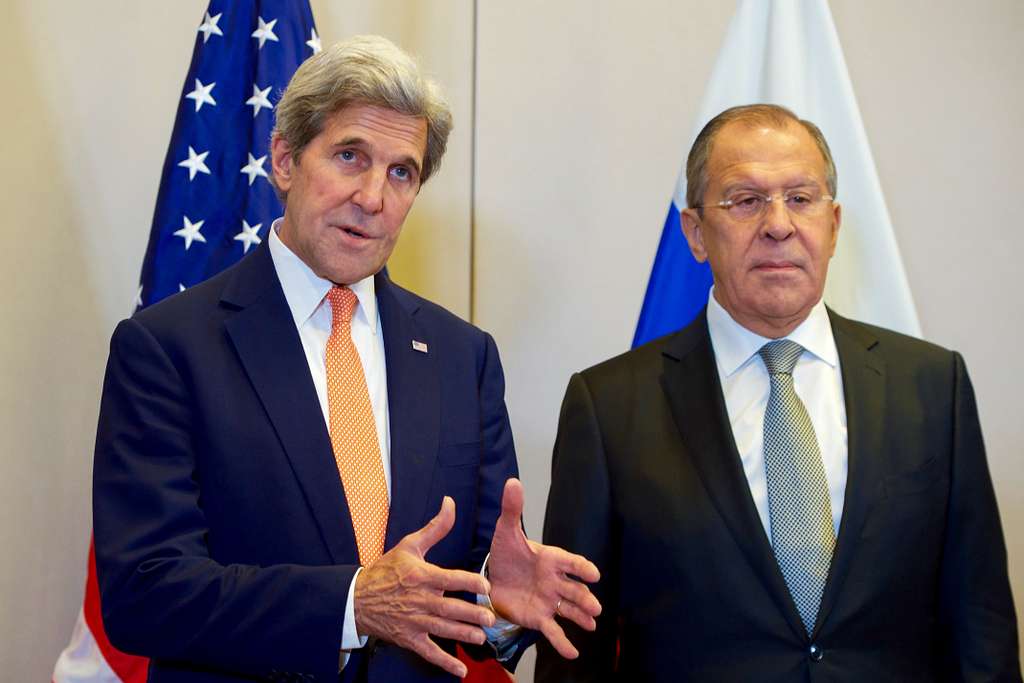
If a diplomat loses credibility, their country may also lose credibility, which can have serious consequences. Diplomats not only represent their states—they personify them. Therefore, diplomatic representatives are listened to, and some carry greater influence than others. Their impact depends both on personal skill and the power of the country they represent. Sergei Lavrov personifies Russia, and Wang Yi China.
Differences in negotiation styles
Diplomatic negotiators are protected by numerous rules and procedures. The 1961 Vienna Convention established diplomatic standards that include practices, norms, and regulations developed over centuries. A diplomatic culture has also developed in which representatives of different countries can communicate safely.
As a result, cultural differences among diplomats are generally reduced to acceptable levels. It can be argued that differences in negotiation style have less impact in diplomacy than in business, unless used as a tactical tool. Research shows that although significant cultural differences exist among EU negotiators, they do not create real barriers. However, individual characteristics of diplomats can harm negotiation atmosphere, and differences in negotiation skills naturally affect outcomes.
States become hostages of diplomats and politicians
A diplomat bears responsibility for their state and in a sense embodies it personally. This emotional identification can hinder the search for rational solutions. Diplomats must consider national prestige, public opinion, and the views of political or military leaders.
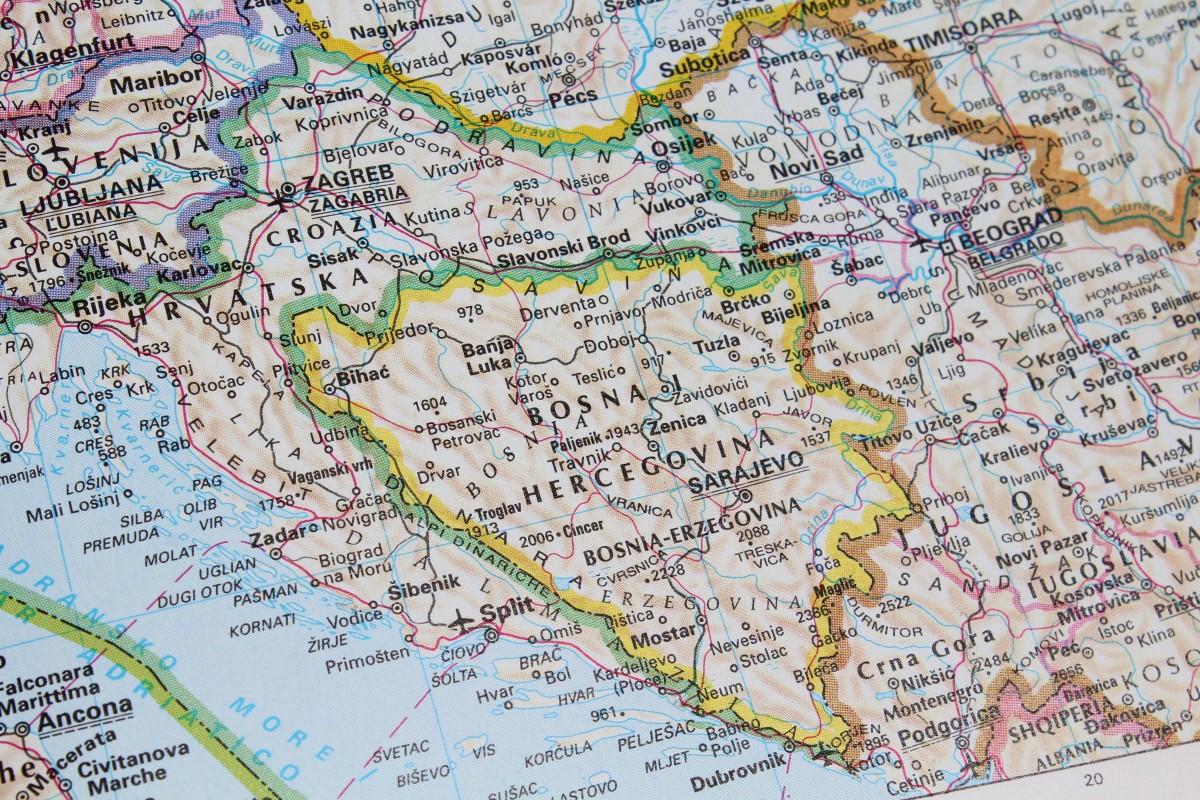
Sometimes ambiguous agreements provide diplomatic solutions, while clear documents may face public or parliamentary resistance. Diplomats may even be tasked not with solving problems but with delaying them, maintaining status quo, or managing crises in line with national interests. Examples include Cyprus, Bosnia and Herzegovina, and Kosovo.
Politics above diplomacy
Progress in international negotiations depends on interdependence between states, power relations, and external factors. While the personality and skills of diplomats matter, they remain subordinate to political forces.
Diplomats must use their skills to either reach solutions or delay them according to political instructions. They often pursue maximalist goals to achieve better compromises. During negotiations, they must remain calm and avoid emotional reactions that could jeopardize the process.
Individual style may be an advantage, but diplomats must not lose sight of their objectives and the interests they serve.
Diplomats bear enormous responsibility, as their decisions can affect the lives of millions. Due to this pressure, they must possess strong psychological and physical resilience. In modern times, diplomats can also become media figures and public personalities.
A revolution in the personalization of diplomacy was made by Henry Kissinger, who brought diplomatic processes and his own personality into global public attention. Today, diplomats must be prepared for media presence, while maintaining rational judgment and clarity of thinking to ensure successful negotiation outcomes.