By Matija Šerić
Based on medical statistics, it can be observed that German soldiers were intensely sexually active. At certain times, the majority of patients in German military hospitals in occupied Kyiv were those suffering from skin and venereal diseases. SS chief surgeon Professor Karl Gebhardt, after visiting the Kyiv hospital, noted that “the focus of work was no longer on clinical surgery.” Lieutenant Commander Gehlen once told a naval pilot, “They conducted a raid around here and found that 70 percent of all German soldiers in the area, found in so-called cabins, were infected with venereal diseases.”
Venereal diseases
There is no doubt that venereal diseases were extremely widespread among German soldiers in the occupied parts of the Soviet Union. In cities like Riga and Minsk, “special sanitary rooms” were set up, where soldiers were required to report after intercourse to prevent potential infections through appropriate treatment. The mere existence of such institutions and the establishment of a special administration dealing with venereal diseases indicate the widespread nature of rape, although it was only concealed in cases involving the “defilement of race” with Jewish women. German medical services were heavily engaged in reducing the number of venereal disease infections, such as gonorrhea, to maintain the combat readiness of soldiers fighting the Red Army. Similar situations occurred in Western Europe, where, according to German sources, around 45,000 German soldiers in France were continuously infected with venereal diseases.
State-Sponsored Brothels
As disciplinary measures and appeals failed to reduce infection rates, the Wehrmacht adopted the idea of opening state-sponsored brothels. “To prevent the spread of venereal diseases and potential enemy agent activities due to daily cohabitation between Germans and Russians, it was proposed that public houses be opened for the Wehrmacht in various cities.” These brothels, known as “Freudenabteilungen” or “Pleasure Divisions,” represented one of the most horrific forms of sexual exploitation. “Racially appropriate” prisoners were forced into sexual relations with German soldiers, SS guards, and privileged prisoners. Women were selected for brothel work based on origin and appearance. The demand for such services was enormous, as seen in German documents. Brothels were opened throughout occupied Europe, from east to west. According to German records, every Norwegian city had a brothel. Similar facilities existed in countries like France, Denmark, and the Netherlands. “In Warsaw, our soldiers lined up in front of the doors. In Radom, the first room was full, while people from trucks waited outside. Each woman had about 14 to 15 men per hour, and they rotated women every two days.”
Forced Prostitution
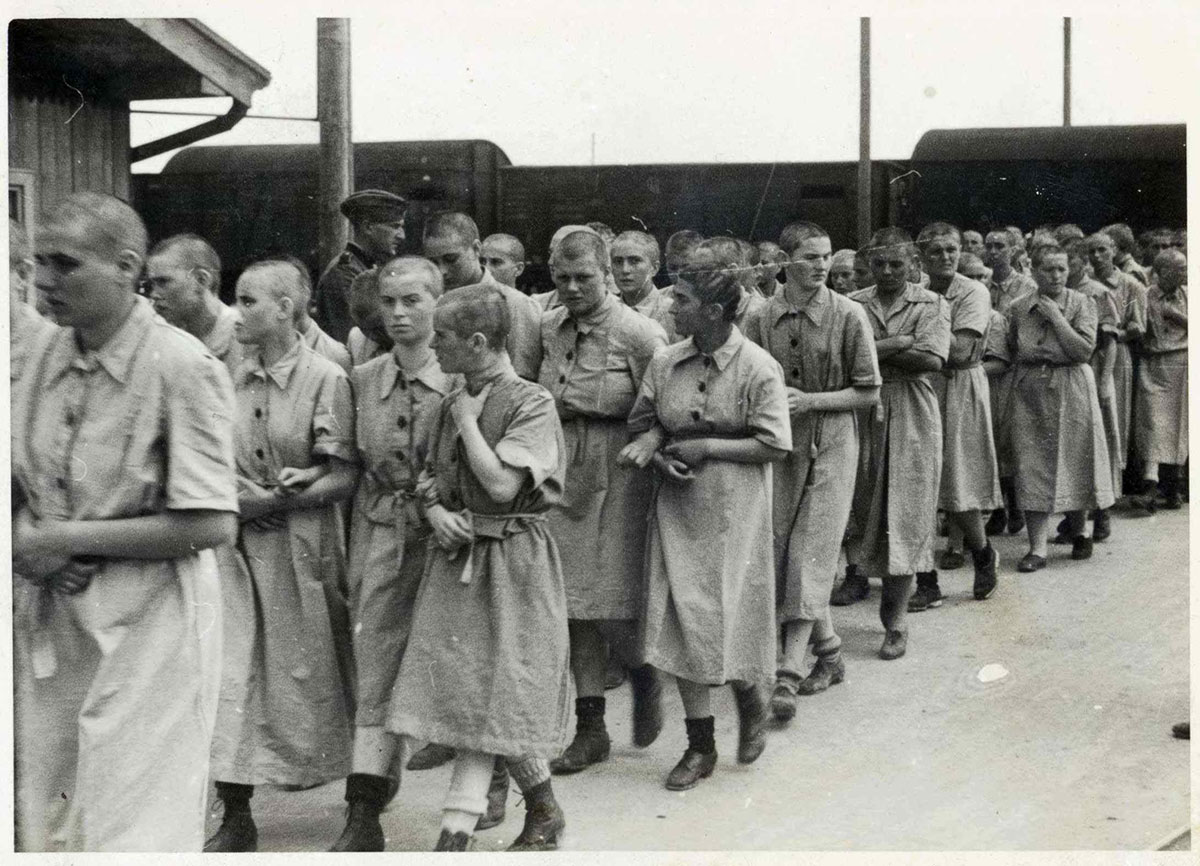
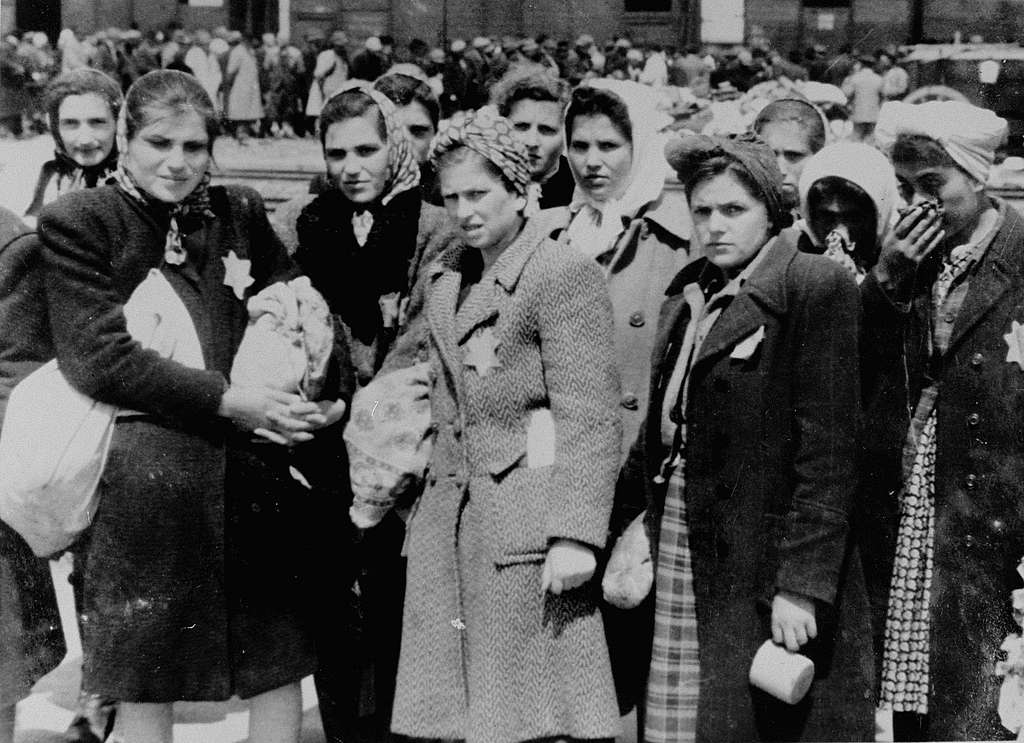
At first glance, one might consider this a legally sanctioned activity, leaving aside moral considerations. However, it is crucial to emphasize that this was not voluntary but forced prostitution. Women were taken to brothels under threats of death or torture. Some, out of desperation, volunteered to escape concentration camps and obtain slightly better living conditions, such as better food and more sleep. Similar occurrences happened in camps, where female prisoners agreed to sexual relations in exchange for food or medicine. In the strictest camps, such as Auschwitz, women had only two options: execution or being sent to a brothel. Brothels were part of Nazi policies for prisoner control. Commander Sauermann noted that brothels were built with financial assistance from the Reich Chancellery and the Gestapo.
“People roamed the area, impregnating every German girl there; this was precisely what they wanted to avoid, so they brought in their Frenchwomen, their Czech women—all those people came there, all those women.” This is an indirect admission that French and Czech women did not willingly consent to prostitution. In May 1941, the Polish government in exile in London reported that a large hunt for girls and young women was taking place in Poland, as the Nazis intended to use them for forced labor in brothels. Similar street raids were conducted in the USSR. During forced prostitution, women were threatened, beaten, humiliated, and raped. Many were killed before the war ended.
Forced Abortions, Racial Experiments, and Eugenics
If prisoners became pregnant in the camps, they were either killed or forced to abort their children. Nazi Germany used sexual violence in its racial experiments. Doctors like Josef Mengele conducted cruel experiments on women in camps, including forced sterilizations, in the name of “science.” Victims of these experiments were subjected to brutal methods that caused pain and humiliation, often resulting in lasting physical and psychological consequences, with many perishing. The experiments were motivated by a desire to understand and manipulate human genetics in line with Nazi ideals of racial purity. The goal was to eliminate genetically “undesirable” Jews and other ethnic groups and control their reproduction. Forced abortions and sterilizations, as well as medical experiments, were part of Nazi policy aimed at preventing Jewish children from being born, and can thus be considered acts of genocide.
Conclusion
Sexual violence was used as a means of terror in occupied countries and was an integral part of the Holocaust. It was essentially sexual terrorism, as it involved the unlawful use of violence against civilians to achieve political goals in creating the Greater German Reich. By instilling fear, the Nazis sought to break the morale and resistance of the local population. They failed in this aim, as resistance grew over time. Sexual violence against women in concentration camps was intended to break the spirit of prisoners and prevent any form of resistance. In the occupied areas of the USSR (Baltic countries, Belarus, Ukraine, and western Russia), Germans and their collaborators raped around 10 million women. It is estimated that about one million children were born as a result of these rapes, meaning that every tenth raped woman gave birth to a child.
The consequences of sexual violence were catastrophic. In addition to physical injuries, which included genital injuries, infections, and permanent infertility, victims also suffered psychological trauma. Many women experienced severe PTSD, depression, anxiety, and other mental illnesses. Feelings of shame, guilt, and stigma followed many victims throughout their lives, often preventing them from speaking about their experiences or seeking justice. Many committed suicide after the assaults. It is a historical irony that, during the liberation of Nazi camps, some Jewish and other female prisoners were raped by Russian soldiers, who saw it as a “reward” for liberation. At the post-war Nuremberg trials, none of the Nazis were prosecuted for sexual violence. Many of the convicted were responsible for rape, but they were not punished for it. At the Nuremberg trials, rape was defined as a crime against humanity, but the prosecutors considered such crimes “irrelevant to the war,” allowing the perpetrators to escape punishment. It was only after the Rwandan genocide in 1994 that rape was internationally recognized as a genocidal crime.