By Matija Šerić
Christmas is one of the most important days in Christianity. It is a holiday that commemorates the birth of Jesus Christ and has (or should have) a deep spiritual and theological meaning for millions of Christians around the world. The true meaning of Christmas is religious — the celebration of the Incarnation of God in human form, in Jesus. Christmas represents God’s unconditional love, carries messages of hope and salvation, and calls for spiritual renewal and community. However, in reality, in large parts of the world, this key Christian holiday is unfortunately not celebrated as it should be.
Some Celebrate Christmas, Others Suffer
In the West (North America and Europe), Christmas is increasingly becoming synonymous with consumerism, material abundance, and mass consumption. Glittering street decorations and Christmas trees dominate, while holiday discounts beckon from shop windows. In all this decorative splendor, the true religious meaning of Christmas has largely been lost. On the other hand, in parts of the world such as Africa, the Middle East, and Asia, Christmas cannot be celebrated freely because local authorities do not allow it. Christians are exposed to persecution, bans, and discrimination. In the continuation of this analysis, we will focus on Christmas in places where it can be celebrated freely.
The Religious Meaning of Christmas
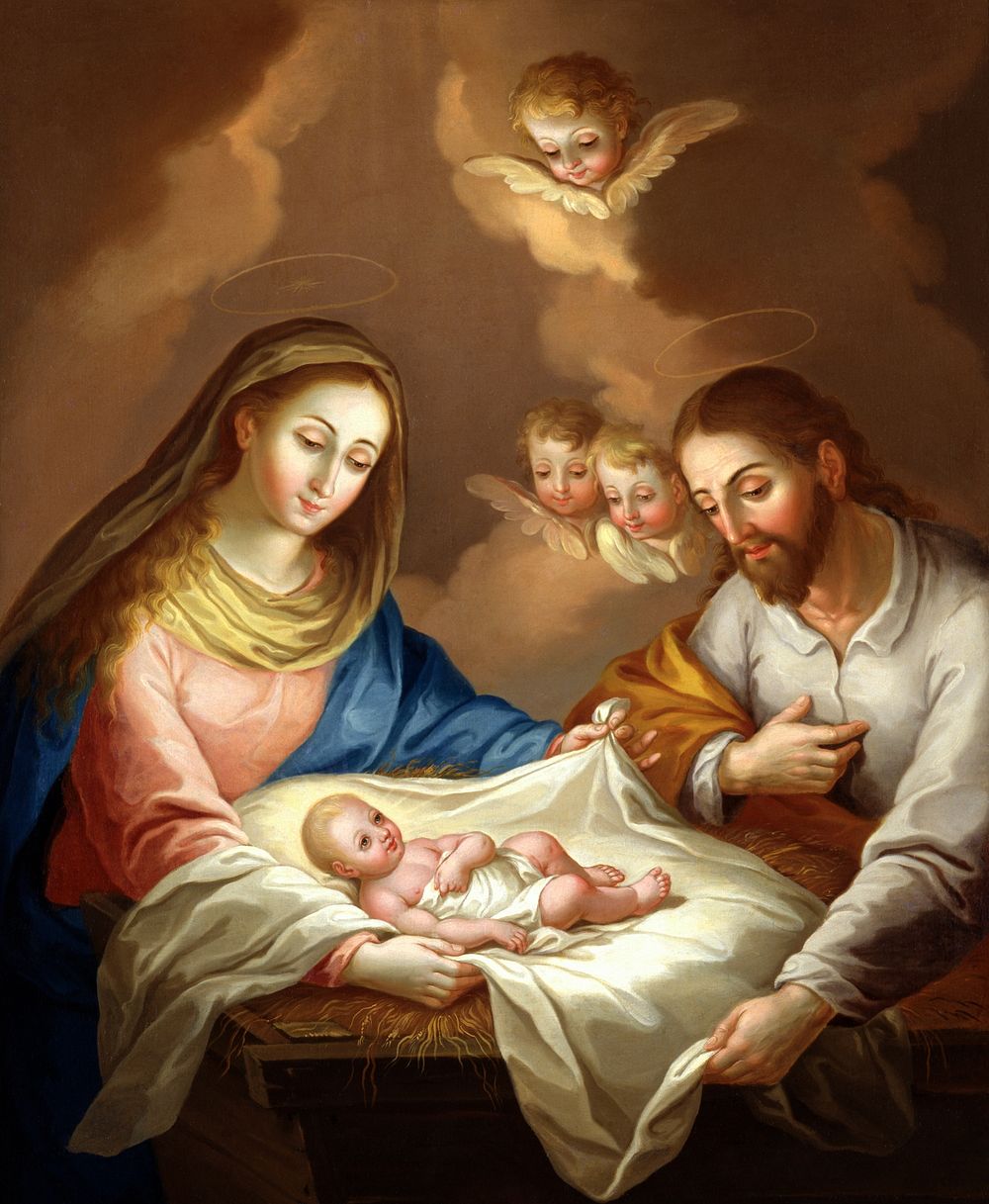
The religious meaning of Christmas lies in commemorating the birth of Jesus Christ in Bethlehem, in the Holy Land. According to the Gospels of Matthew and Luke, Jesus’ birth fulfilled ancient Old Testament prophecies about the coming of the Messiah who would bring salvation to humanity. In this context, Christmas symbolizes the beginning of God’s presence on Earth through the Incarnation of God the Father in human form. Through Jesus, God took upon Himself human suffering and challenges in order to come closer to humankind. This is an expression of God’s love and mercy.
Christmas explained
Jesus Was Born for the Salvation of All People
In theological terms, Christmas carries a profound message of God’s love for humanity. Jesus’ birth is unequivocally described by Christian theologians as a light that comes into the darkness of the world. This motif is present in the Gospels and the liturgy and serves as a reminder of the hope and salvation that come through Christ. Jesus’ birth in humble circumstances — in a stable, surrounded by shepherds — emphasizes God’s closeness to the weakest and most marginalized. It is a reminder of the universality of God’s salvation and the message that God is not reserved only for the powerful and privileged, but for all people. Likewise, Jesus’ humble birth highlights the values of humility and service, which are key aspects of Christianity.
The first to receive the news of Christ’s birth were shepherds — symbols of ordinary people to whom God reveals Himself in simplicity. Angels, on the other hand, represent the spiritual dimension and God’s presence throughout the world. The religious meaning of Christmas is especially expressed through worship and traditional rituals. Midnight Masses, held in churches around the world, are the central events of Christmas. Their focus is on celebrating Christ’s birth through prayer, readings from the Holy Scriptures, and traditional hymns such as Silent Night and O Shepherds, Wonder New.
Christmas Messages of Hope, Forgiveness, and Solidarity
Christmas carries important spiritual messages. Jesus’ birth is God’s act of love toward humanity, calling believers to spread that love to others through acts of mercy, forgiveness, and solidarity with those in need. Christmas brings messages of hope: regardless of life’s challenges and difficulties, God is present and brings salvation. This is particularly significant in times of uncertainty — which certainly describes the world we live in today — and Christmas offers comfort and spiritual strength. Believers are called to inner renewal, to re-examine their priorities, and to return to fundamental Christian values such as humility, gratitude, and kindness.
“Consumerist Christmas”
Although Christmas is, by its meaning and tradition, a family holiday of peace and solidarity, in contemporary Western societies of North America and Europe, where freedom of religion exists, Christmas is deeply marked by consumerism. During the 19th and 20th centuries, the birthday of Jesus gradually became increasingly commercialized, as did other Christian holidays such as Easter and Valentine’s Day. In industrialized societies, where new forms of consumption emerged, Christmas was recognized as an opportunity for mass shopping and increased profits. The popularization of gift-giving as the central element of the celebration was encouraged by advertising campaigns (for example, the symbiosis between Coca-Cola and Santa Claus), and merchants realized that the holiday season could become the most profitable time of the year.
Over time, the Christmas season became globally recognized as a time when people spend enormous amounts of money on gifts, decorations, travel, and other activities such as consuming food and drinks at street events known as Advent markets (the only true Advent events are Masses and other church gatherings). It could be said that markets, consumerism, and consumer society have, over recent decades, almost completely pushed the true theological and spiritual meaning of Christmas to the margins. In the West, Christmas has largely become Christmas without Christmas — that is, without Jesus Christ.
Gifts as the Hope of Consumerist Christmas
Consumerist Christmas is based on the idea that love, attention, and interpersonal relationships can be measured through material goods. Gifts become the measure of care we show to our loved ones. The more expensive the gift, the greater the supposed level of love. On television, radio, the internet, and social media, an idealized image of the holidays is presented: luxury gifts, lavish family lunches, and perfectly decorated homes. Advertising campaigns suggest that it is necessary to buy the latest smartphones, clothes, toys, and other “champagne” gifts in order to experience a “perfect” Christmas. This creates social pressure on people to meet these expectations, generating a vicious cycle of excessive consumption and consumer addiction.
Forecasts suggest that Americans will spend an average of $890.49 per person on holiday gifts, food, decorations, and other necessities this season. The average Canadian family will spend 2,310 Canadian dollars on the holidays. London residents will spend an average of 993 British pounds, while the average French person will spend around 500 euros on Christmas gifts. Many will not hold back, even though they will be more cautious compared to some previous times when spending was far more excessive.
Why Do We Celebrate Christmas?
Emptiness as the Result of Consumerist Christmas
Consumerist Christmas, although filled with capitalist pleasure, carries a number of negative consequences — from financial stress and environmental pollution to the loss of spiritual and family significance. One of the most important aspects of consumerist Christmas is the financial pressure placed on individuals and families. Many people spend more than they can afford in order to meet social expectations and satisfy the desires of their loved ones. This often leads to the use of credit cards, quick loans, and other forms of debt, which burden family budgets in the long run. Many end up with debts that are difficult to repay.
Increased consumption also means increased industrial production, leading to the depletion of natural resources, higher carbon emissions, and the creation of waste. Decorative plastic packaging, lights, cut Christmas trees, cardboard boxes, and disposable products have become integral parts of Christmas tradition, all contributing to environmental pollution. In the United States alone, around 25 percent more waste is produced annually during the Christmas season than during the rest of the year. Most importantly, gifts undermine the spiritual and family meaning of Christmas. People mainly focus on buying presents, putting up decorations, and achieving an “idyllic” Christmas atmosphere, which often results in stress, bad moods, arguments, and other negative outcomes.
Despite Distortions, Christmas Remains Christmas
In European and North American societies where Christmas is freely celebrated, many believers have consciously or unconsciously lost sight of the true meaning of this great Christian holiday. In the West, Christmas has thus become a manifestation of the free market and purchasing power, while the spiritual dimension originally inherent in the holiday has largely been lost. The true meaning of Christmas — the birthday of Jesus Christ — calls for love of one’s neighbor, mercy toward the poor, and the pursuit of inner peace. Unfortunately, these ideals are increasingly pushed aside.
Yet there is no need for pessimism, but rather optimism. Despite materialistic misinterpretations, Christmas 2025 remains a powerful symbol of hope for a better, fairer, and freer world. A year without Christmas would not be the year as we know it. Every individual (who has the fortune of living in a country that respects Christianity) has the choice of opting for either a religious or a materialistic Christmas (it is not wrong to buy something for oneself, but there is no need to overdo it). Anyone who truly wishes to understand will know how to choose correctly.