By Matija Šerić
India is a country with many advantages, including the world’s largest population (1.4 billion), a rapidly growing economy, advanced technologies such as the IT sector, and the entertainment industry of Bollywood. However, India also has its less glamorous aspects, such as the caste system. Although formally a secular republic rather than a Hindu theocracy, the Republic of India remains deeply influenced by the caste system even in the 21st century. The caste system is still practiced, especially in rural areas, despite being officially outlawed. The biggest victims of this system are the Dalits, the most discriminated group in society.
Life as an “Untouchable” in India
Division of Society by Caste
According to the key Hindu legal text Manusmriti (written between 200 BCE and 200 CE), the caste system is the foundation of Indian society. The book prescribes a rigid hierarchy based on birth and occupation. Each group has specific duties and roles in society, and people are expected to remain within their caste and perform work related to their social status. Hindus are divided into four hierarchical groups (varnas): Brahmins, Kshatriyas, Vaishyas, and Shudras.
Brahmins hold high social status and are considered spiritual leaders in Hindu society. Kshatriyas are responsible for maintaining law and order, including warfare. Vaishyas engage in trade and agriculture, while Shudras perform the hardest labor as servants and workers, serving the higher castes. Since India has not conducted a caste-based census since 1931, it is difficult to determine the exact number of members in each caste. The proportions vary by region, but approximate estimates suggest that Brahmins make up about 5% of the population, Kshatriyas around 4%, Vaishyas between 8-10%, and Shudras about 50%. The four caste categories are further divided into 3,000 castes and 25,000 sub-castes.
Dalits – The Lowest Social Class
Below all these groups are the so-called “Untouchables” or Dalits, also known as “broken people.” It is estimated that Dalits make up around 20% of India’s population. The states where they are most represented include Punjab (32%), Uttar Pradesh (21%), West Bengal (11%), Bihar (8%), and Tamil Nadu (7%). Although all castes are subordinate to those above them, particularly the Brahmins, Dalits are in by far the worst position.
Legally, Dalits should not be discriminated against. In 1950, the Indian Constitution, led by jurist B. R. Ambedkar—himself a Dalit—was enacted. The Constitution established legal mechanisms to eliminate discrimination against Dalits, including segregation in public spaces and impunity for crimes committed against them. The Anti-Discrimination Act (1955) and the Prohibition of Inhumane Occupations Act (1993) were passed to eliminate caste-based inequalities. However, the oppression of Dalits has not ended despite these legal changes. Although most Dalits are Hindus, many have converted to other religions, such as Islam and Christianity, to escape discrimination, but this has done little to improve their situation.
The hard life of India’s illegal sewer cleaners
The Harsh Reality of Dalits
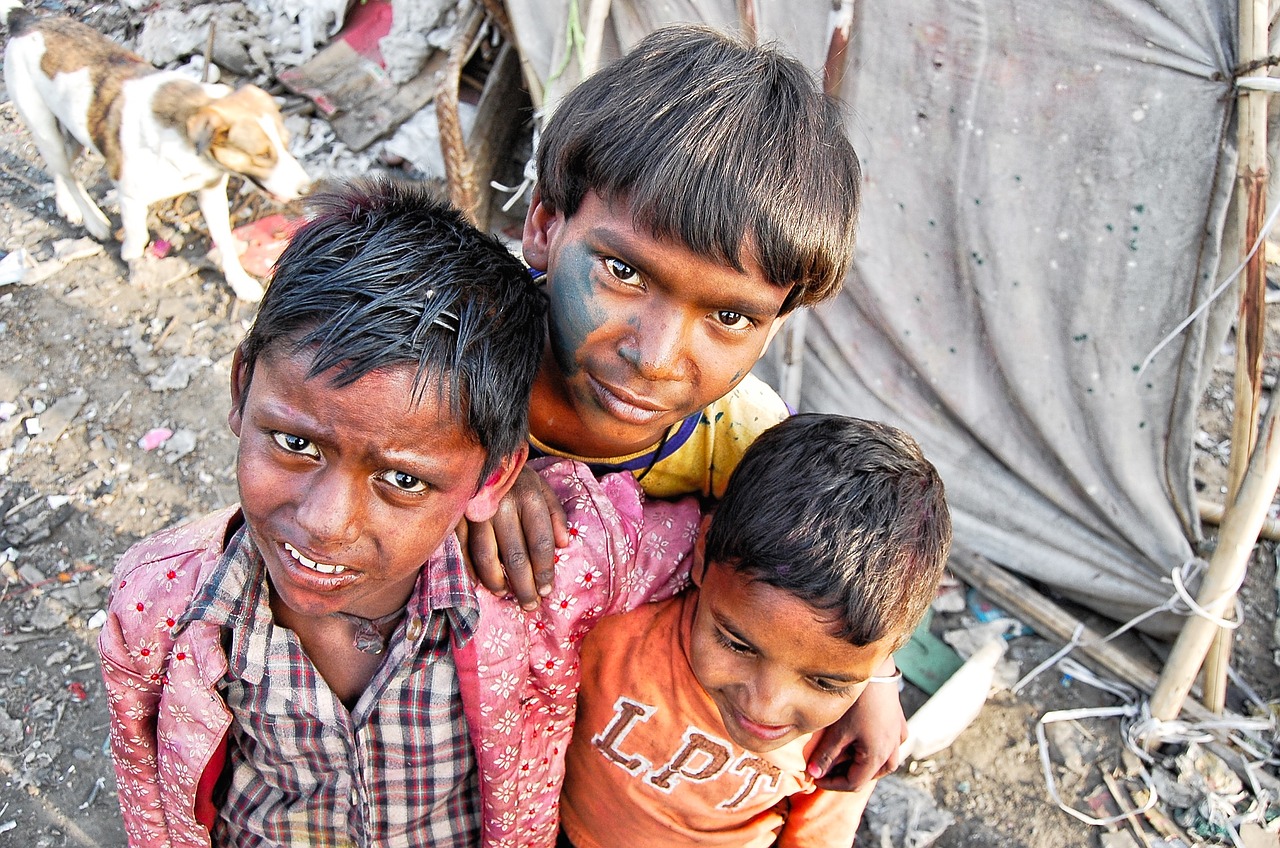
Dalits remain on the margins of society. Since they fall outside the caste system, they are considered impure beings. They perform the hardest and dirtiest jobs, such as sweeping streets, removing animal carcasses from roads, cleaning sewers, and burying the dead—tasks assigned to them with the intention of keeping them in degrading roles. Many Dalits lack access to adequate education, work in poorly paid jobs, and have no career advancement opportunities. They predominantly live in isolated, impoverished settlements (sometimes near cemeteries or waste dumps) without access to basic public services, such as healthcare.
Dalit children face discrimination in schools, while Dalit adults are often excluded from political life. Dalits, particularly Dalit women, are frequent victims of crimes such as rape, robbery, assault, and murder. Punishments for crimes against Dalits are typically much more lenient compared to those committed against members of other social groups. In many rural areas, Dalits are still prohibited from entering Hindu temples or drawing water from public sources such as wells and springs.
Positive Changes
In recent decades, improvements have been made, and Dalits are gaining more protection in society. Street activism advocating for Dalit rights has emerged through various associations and political parties, such as the Dalit Struggle movement in Maharashtra and the Bahujan Samaj Party (BSP). Some members of lower castes have managed to advance and hold top government positions.
K. R. Narayanan, the 10th President of India (1997–2002), became the first Dalit president, which was highly symbolic in the fight against discrimination. Even the current Indian Prime Minister, Narendra Modi, comes from a historically marginalized caste. However, the status of the “Untouchables” will still need to be significantly improved before they can reach the living standards of the average Indian citizen.