By Matija Šerić
Natural resources have a major impact on the development of humanity. Everyone immediately thinks of oil and gas, whose use has fundamentally changed the world; however, there are other commodities that have had a decisive influence on global political, economic, and social development. One of these commodities is certainly coffee. Over the past centuries, coffee—a simple mixture of water and ground beans—has become a favorite drink for millions of people. The influence of coffee is not limited to the food industry and hospitality; it is much broader. Drinking coffee has become an indispensable part of the daily lives of millions, but also a key factor in the historical development of societies.
From its humble beginnings on the Ethiopian highlands to becoming a globally ultra-popular product, coffee’s impact is enormous. Over its centuries-long journey to becoming a global beverage, coffee has been a tool for building and dismantling empires and for driving the Industrial Revolution. At times, it has also been a driving force for exploiting people, encouraging slavery, and fueling civil wars.
Ethiopia and the Middle East
The coffee plant has always grown in Ethiopia, and it was probably used by nomadic tribes for thousands of years, but people only around the 1400s realized that its seeds (beans) could be roasted. Farmers noticed that goats that ate coffee beans were more energetic than those that did not. Coffee was a catalyst for trade development in the early modern period. Its popularity grew exponentially, and prices reached incredible heights. More than five centuries ago, when coffee was still a localized culture in the East African territories of Ethiopia, Arab traders in the early 16th century were the first to recognize coffee’s potential and began bringing it to Yemen.
Arab Sufi monks used the drink in a similar way to how people consume it today—to stay awake. Their goal was to achieve divine consciousness during midnight prayers. Additionally, it was used for medicinal purposes. From Yemen, coffee spread across the entire Middle East, North Africa, Turkey, Persia, and eventually the European continent. In fact, coffee was the first plant to kick-start ancient globalization, changing trade flows and shaping the world’s economic dynamics.
History of coffee
Coffee and slavery
As the drink became increasingly popular, empires realized they could grow their own coffee using the labor of peasants and slaves in their distant colonies. By the 18th century, British, French, Spanish, Portuguese, and Dutch leaders had made coffee one of their prime colonial crops, alongside sugar, cotton, and tobacco. From Indonesia to Latin America and the Caribbean, enslaved workers were forced to cultivate coffee on colonial plantations. The French Caribbean colony of Saint-Domingue produced two-thirds of the world’s coffee in the late 18th century until the island plantations were burned and their owners massacred during the Haitian Revolution of 1791. Using large numbers of enslaved laborers, the Portuguese accelerated processes that led to Brazil becoming the world’s largest coffee producer.
Brazil is the country that received the largest number of enslaved people in the New World, mostly to work on coffee plantations. In creating plantations, the Amazon rainforest was destroyed. Brazil was the last country in the Western Hemisphere to abolish slavery in 1888. Relying on Black slaves, Brazil made coffee the lifeblood of its economy, banking system, and political and social structure. Confronted with laws granting freedom to the descendants of slaves, a member of the Brazilian parliament who opposed abolition stated in 1880: “Brazil is coffee, and coffee is Black.”
Coffeehouses – catalysts for social change
Various forms of coffeehouses became starting points from which cultural and intellectual revolutions emerged. Coffeehouses first appeared in the Ottoman Empire because Muslims who abstained from alcohol had no need to gather in taverns. Over the centuries, coffeehouses became key in establishing what some philosophers call the “public sphere,” previously dominated by elites. Coffeehouses were the only public spaces where men could gather to discuss news, religion, politics, and gossip away from the watchful eyes of religious or state authorities.
In the 17th and 18th centuries, European coffeehouses became epicenters of intellectual debate, fiery political discussions, and artistic expression. People gathered to share ideas, discuss philosophy, and through revolutionary change, shape the destinies of their nations. Coffee became a symbol of the Enlightenment and freedom of expression, and its consumption allowed space for critical thinking and innovation.
The English “Coffeehouse Revolution”
Coffee played a key role in political and social change in different parts of the world. For example, the “Coffeehouse Revolution” in 18th-century England was linked to the development of public gathering spaces and public discussion on social issues. In some countries, political decisions and events often took place in coffeehouses, where people made important decisions. The London Stock Exchange, the insurance house Lloyd’s of London, and the East India Company were founded in cafés, which in London became known as “penny universities” because the price of a cup of coffee—just one penny—often gave visitors access to ongoing intellectual discussion.
Coffee inspires American independence
In colonial America, the Boston tavern and coffeehouse Green Dragon became famous as the meeting place for leaders of the 13 British colonies to organize the Boston Tea Party in 1773 and promote revolutionary ideas that led to the American War of Independence and the founding of the United States. It is often said that after the Boston Tea Party, when American colonists raided British ships and dumped crates of tea into the harbor, Americans universally switched to drinking coffee. Literary works, newspapers, and even the compositions of great musicians like Bach and Beethoven were also created in coffeehouses. Some historians, such as Mark Pendergrast, have observed that thanks to coffee, Western civilization awakened and progressed positively through the processes of the Enlightenment and the abolition of slavery, which coincided with the rise in coffee consumption.
Attempts to ban coffee
In 1511, the governor of Mecca, Khair-Beg, banned coffee because his medical advisors warned that it was bad for people’s health (in reality, political dissidents were gathering in coffeehouses), but the policy was soon abandoned. In the 16th century, the Ottomans, who spread coffee throughout the Muslim world and later Europe, tried to close coffeehouses, only to face massive protests that forced them to reopen. One of the most famous cases of a coffee ban occurred in 18th-century Prussia. King Frederick II, also known as Frederick the Great, prohibited it. The ban was imposed for the most unlikely reason: King Frederick preferred that his subjects drink beer, which he grew up with, like many other Prussians. However, the ban did not last long. Coffee was banned in Italy in the 16th century because people believed it was satanic, but the prohibition was lifted when Pope Clement VIII discovered he enjoyed it and blessed it. In Sweden, coffee was banned five times, and the most famous (and bizarre) incident occurred when King Gustav III banned it in 1746 because he believed the drink was deadly. The ban was lifted after Gustav was assassinated in 1792.
How Caffeine Addiction Changed History
The role of coffee in the Industrial Revolution
Coffee had a significant impact on workforce productivity during the Industrial Revolution. Its stimulating properties (i.e., caffeine) allowed workers to stay awake and focused during long hours in factories. This changed work dynamics and accelerated production, with long-term effects on the development of modern industrial societies. Everyone, from the Ottomans to European Enlightenment intellectuals, realized that caffeine in coffee boosts energy and enhances attention. In demanding factory industries requiring workers to operate in three shifts, coffee enabled workers to work at any time of day or night. Workers who previously took long breaks for meals could instead take shorter, more frequent coffee breaks, which facilitated the expansion of the Industrial Revolution across all continents.
Instant coffee – a boost for warfare
Instant coffee, made from quickly soluble coffee crystals that eliminated the traditionally lengthy brewing process, gained popularity during World War I. American inventor George C. L. Washington found a way to increase production and supply it to the military, giving soldiers an extra boost for combat. “I am happy despite the rats, rain, mud, drafts, the roar of guns, and the shriek of shells…,” wrote an American soldier from the trenches in 1918. “It only takes a minute to light my little oil heater and make a George Washington coffee.” During that war, soldiers called instant coffee “George’s cup.”
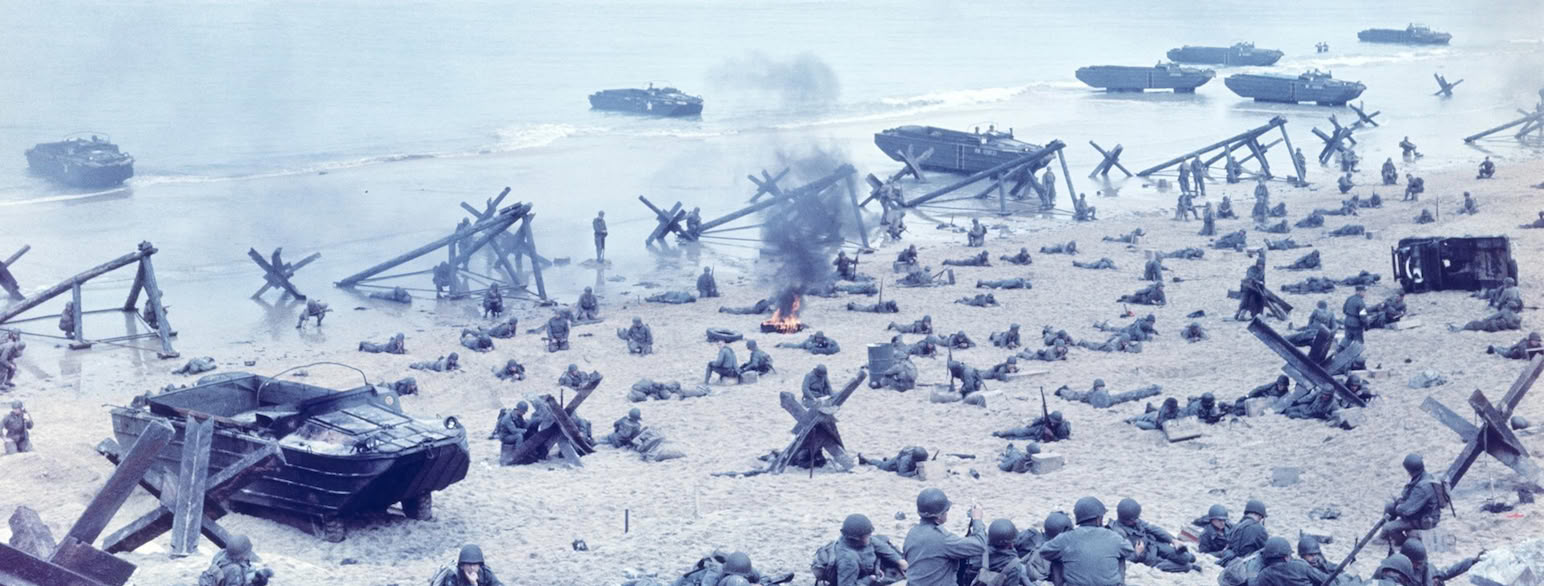
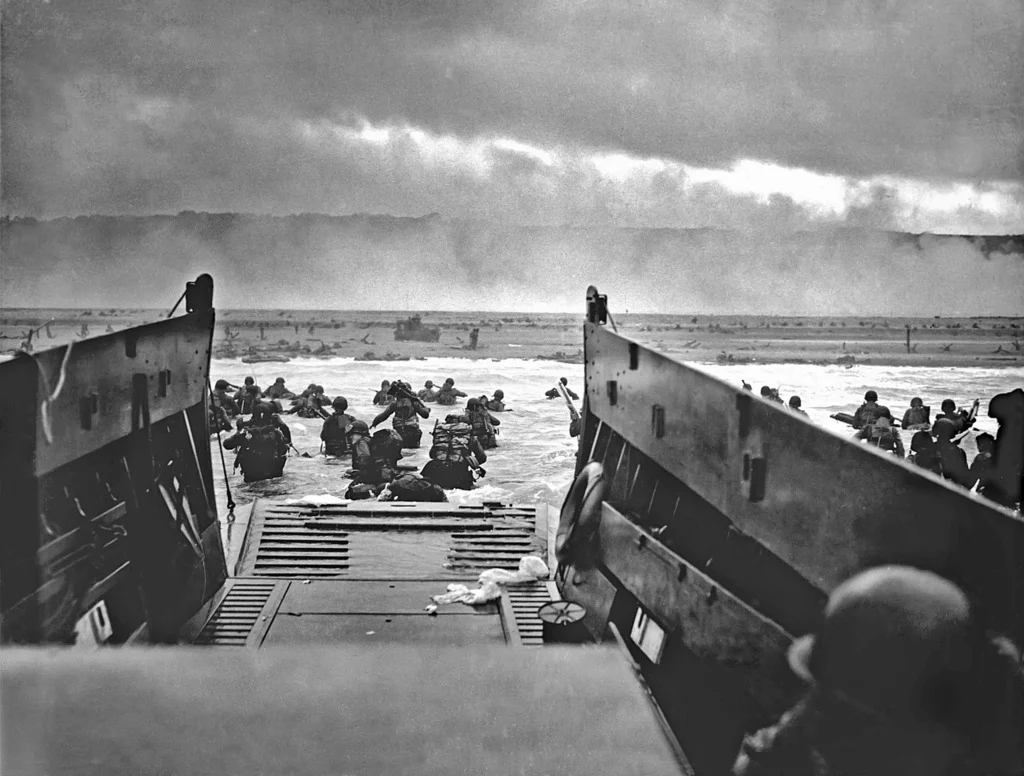
In World War II, American soldiers called it “a cup of Joe.” After the United States entered the war in 1941, the military ordered 140,000 bags of coffee beans per month to prepare the instant beverage—ten times more than in previous peacetime years. American officials limited coffee for civilians for nine months to ensure soldiers at the front had enough. After the war, several companies, including Nescafé and Maxwell House, heavily advertised instant coffee using war veterans in their campaigns. This marketing strategy was highly successful, as the public quickly adopted soldiers’ preference for the instant beverage, further boosting its popularity.