By Matija Šerić
The White Revolution in Iran during the 1960s and 1970s completely redirected the development path of this Middle Eastern country. Mohammad Reza Pahlavi fundamentally transformed Iran, reshaping it from a poor and underdeveloped country into a modern state that launched numerous plans of modernization, urbanization, industrialization, literacy campaigns, and the development of the healthcare system, among others. During the shah’s rule, Iran was accepted in the West as a key American ally against the Soviet Union.
The Iranian People Rejected Western Modernization
However, it turned out that secularization and modernization had gone too far for a traditionally Muslim country in which Shiite religious leaders wielded strong influence. Iranians were also disturbed by the fact that their country had become an American puppet. While the standard of living was rising, the shah paid little attention to the opposition, but when economic growth stalled, inflation and shortages emerged, and large numbers of people became unemployed, numerous opposition groups decided to take action.
The Iranian Revolution Shook Both the West and the East
For both superpowers—the United States and the Soviet Union—the Iranian Revolution represented a turning point in relations with the Third World. For the United States, it meant that communism was not the only comprehensive modern ideology opposing American power. Although it was only during the war in Afghanistan and after the collapse of the USSR that Washington began to view Islamism as the main challenge and threat, the signs of growing danger from American interventionism against Muslim countries were already clearly visible.
For the Soviets, Khomeini’s victory meant that Marxist theory regarding revolutions in the Third World had encountered serious difficulties. Moreover, the pronounced internationalism of the Iranian Revolution caused concern in Moscow, as it appeared as a direct competitor to left-wing nationalist and anti-imperialist movements throughout the Third World. Nevertheless, in the early 1980s Soviet Marxists were still inclined to view the emergence and spread of political Islam as one of the “main trends” that were “objectively” linked to Western imperialism. Over time, most policymakers in Moscow began to mistakenly believe that, due to their shared anti-communist nature, regimes such as Iran’s would ultimately end up on the same side as the United States.
The Islamic Revolution Brought Iran Progress, but Also Challenges
The Islamic Revolution surprised many around the world, but when viewed in the context of Iranian history, it was not accidental. The revolution changed Iran more than any previous event and likewise altered the country’s position in the world. The achieved results are largely positive when considered within the historical and cultural Persian context, which is not identical to the Western one. Iran became a successful state with a dynamic economy, a stable healthcare system, solid education, and a strong military, as well as a very powerful regional force and an enemy of the United States—a status it retains to this day. Thanks to Iran’s turn toward Islam, a slow but steady revival of Islam in the world followed.
The Islamic Revolution influenced many secular or atheistically oriented people of Muslim origin to return to their faith, and it also inspired many Islamist movements to attempt to establish Islamic (sharia-based) orders in their countries. This is where the controversies arise. As a Shiite state, Iran gave additional momentum to the Shiite–Sunni conflict in the Islamic world. Through financing and training, Tehran supports numerous Shiite movements in the Middle East in order to suppress Sunni influence and to become a kind of leader of the Islamic world. There has also been a conflict with Israel that cannot be resolved through compromise. These are all problems that would not exist if Iran were a secular state.
Iran’s Future Must Be Shaped by Iranians
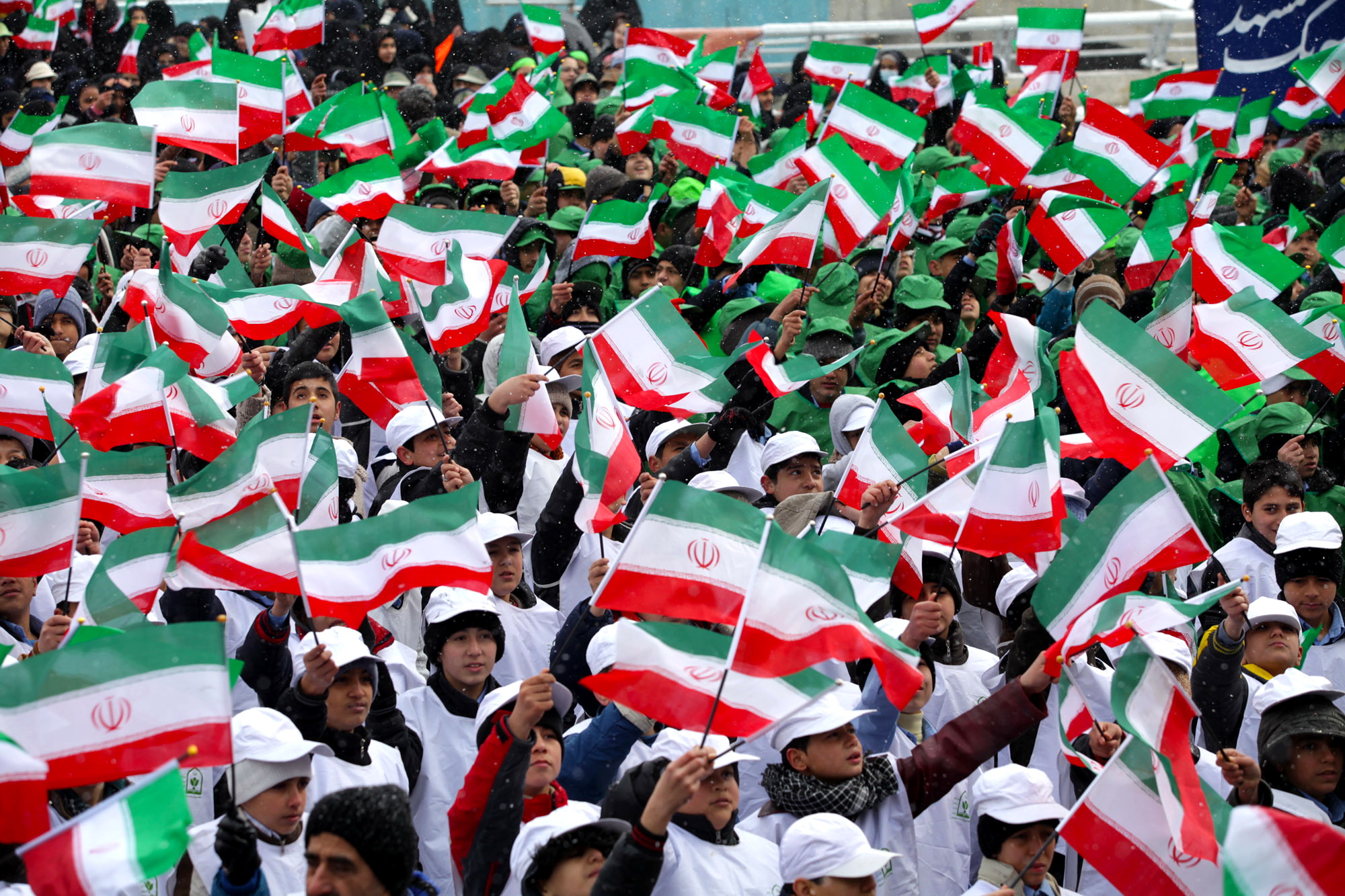
Forty-seven years after the revolution, having thwarted numerous relentless efforts by the United States and Western powers to overthrow the Islamic government and replace it with a Western satellite regime, the Islamic Republic of Iran still exists as a proud and sovereign state. How long it will continue to exist as such depends exclusively on the Iranian people. In the late 1970s, the Iranian people chose to overthrow the shah and establish a sharia-based government similar in some forms to those that existed throughout much of history. Whether, due to economic and social difficulties, Iranians will overthrow the authorities in the near future remains to be seen. Nothing is eternal. However, any interference by foreigners in Iran’s developmental path is wrong. Iranians must assess for themselves what is best for them and which path they will follow. The current crisis is deep, but not insurmountable.