By Matija Šerić
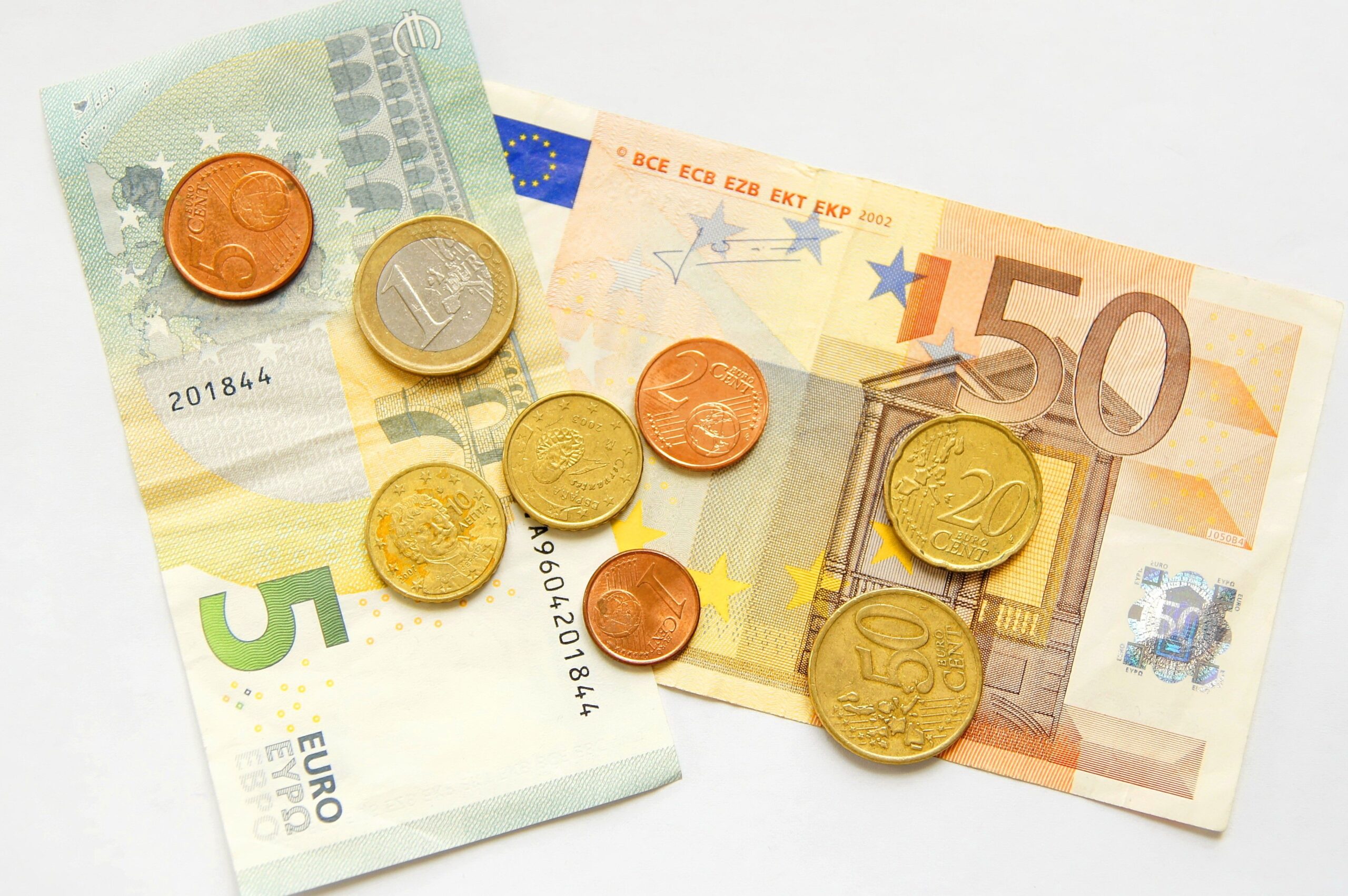
Globalization and currency exchange rates are two forces that continuously intertwine, shaping the global economic landscape. Economic globalization, driven by free trade and extensive financial integration, acts like a wind generating waves—one of these waves being the euro exchange rate. At the same time, the direction and strength of this wave—shaped by monetary policies and exchange rate regimes set by national governments and supranational institutions such as the European Union—can transform trade flows, investment patterns, tourism, and migration. Globalization influences the euro, while the euro, in turn, affects the very dynamics of globalization. This is an ongoing process of mutual influence.
A World More Connected Than Ever
Globalization factors, including increasing international trade and financial integration, have been among the most important drivers of the world economy over the past three decades. In reality, current globalization processes are characterized by significant shifts in global trade patterns. “New players”—countries with low labor costs and production expenses—are gaining importance. Meanwhile, the international fragmentation of production processes has become more widespread, giving rise to increased trade in intermediate goods.
From the financial perspective, global integration of capital markets has led to unprecedented growth in cross-border asset ownership and liabilities, with international capital flows growing faster than goods trade. These changes have had a strong impact on the eurozone, as its economies have become increasingly interconnected with the global environment through trade.
Growth of EU Trade and Emerging Markets
Rising global trade and deeper integration of the European Union with the rest of the world have contributed to stable export growth in eurozone member states and an increased share of EU countries in global GDP. In 2024, the EU accounted for roughly 14–18% of world GDP, depending on the source. Eurozone openness—measured by the average share of total imports and exports of goods and services—rose from 33% in the late 1990s to 38% by the mid-2000s. According to the latest European Central Bank (ECB) data, EU trade with the rest of the world now accounts for around 50% of its GDP.
The rise in external trade is closely linked to stronger trade relations with emerging economies such as China, India, Vietnam, and Brazil, which are integrating rapidly into the global trade system. On one hand, this increases demand in the eurozone for products from these countries; on the other hand, it opens new markets for imports and creates competition for EU industries.
China’s Impact on the EU
China’s rapid economic growth and export capacity have played a particularly important role. China is a major competitor to the European Union. Internationalization of production has led to a higher share of imported materials in EU exports, reducing the net value of European exports. This process has increased interdependence between European and Asian economies while simultaneously eroding some of Europe’s industrial autonomy. In response, the EU has been seeking to strengthen its value chains and strategic self-sufficiency, particularly in high-tech and energy sectors. For example, China already accounts for over 60% of global production in electric vehicles and solar panels, leaving the EU dependent on Asian supply chains.
The role of euro
Global Financial Integration
Advanced global trade and financial integration are key globalization factors with a strong impact on the euro. The end of the Bretton Woods system enabled greater capital mobility and reduced costs for collecting and processing financial information, integrating the eurozone into global capital flows. Today, eurozone countries hold more than a third of global foreign direct investment (FDI) reserves, with nearly a third of new investments directed toward eurozone member states. The ratio of foreign assets to eurozone GDP has quadrupled since the early 1990s, surpassing similar trends in the United States and Japan, reflecting growing internal and external financial integration.
The Euro – The World’s Second-Most Important Currency
Global trade and financial integration significantly influence the euro exchange rate. While the impact is often positive, it can also be negative. The euro is the second most important currency after the U.S. dollar, so closer global interconnectedness generally supports its stability. Increasing intra-eurozone trade, as well as trade with emerging markets, further reinforces the euro’s relevance and market confidence. However, rising Chinese competition and global interdependence can reduce trade balance, raise import costs, and put pressure on the euro. Sudden shifts in global financial flows or political and economic shocks in major trading partners can also cause rapid euro fluctuations, increasing its vulnerability.
Opportunities and Threats
The euro is a floating currency, influenced by global financial market trends and political developments. In the early 2000s, the euro displayed strong potential and exchange rate stability, particularly when the U.S. dollar weakened due to the Iraq and Afghanistan wars. High oil prices and the growing political significance of the EU further strengthened the euro until the global financial crisis erupted.
The European debt crisis from 2009 onward—caused by the inability of some EU countries such as Greece, Spain, and Portugal to service their debts—seriously affected the euro. Nevertheless, the eurozone survived and further stabilized.
Stabilization
After 2015, the euro was relatively weaker than before the debt crisis, averaging around 1 EUR ≈ 1.11 USD. Between 2020 and 2025, the euro fluctuated between roughly 1.03 and 1.17 USD, with occasional volatility. Today, the euro is more reliable and stronger than during the most critical crisis periods, trading at around 1.15 USD. This stabilization reflects eurozone strengthening, improved fiscal discipline in member states, and a more influential international position for the euro. Rising eurozone influence on global financial movements has solidified the euro’s role as the world’s second-most important currency.
The Euro Exchange Rate – Driving Prosperity
The euro exchange rate strongly shapes global processes, from political integration and migration to trade and tourism. A reputable and strong currency makes political unions and alliances, such as the EU and NATO, more attractive and sustainable. Today, 20 of the EU’s 27 member states use the euro, and all of them are NATO members, demonstrating how economic stability promotes political cohesion.
A reliable euro, resilient to crises, attracts new members and strengthens the West’s global role. Stable prices, low inflation, and favorable interest rates not only ensure macroeconomic balance but also draw investment, migration, and tourism—key drivers of 21st-century globalization. Despite recent challenges, the euro has remained stable, providing citizens with security and shielding them from sudden inflationary shocks. A stable euro strengthens European economies and supports long-term development, a fundamental goal of any sound macroeconomic policy.
References:
https://www.britannica.com/money/euro
https://www.imf.org/en/News/Articles/2019/10/21/SP091919-international-role-of-the-euro
https://www.suerf.org/publications/suerf-policy-notes-and-briefs/the-international-role-of-the-euro/