


By Matija Šerić
Hydropower belongs to the group of renewable energy sources and is considered one of the cleanest forms of electricity generation. Its potential is harnessed in hydroelectric power plants, where water becomes the driving force that powers entire systems. The fundamental source of hydropower lies in the natural water cycle—a process driven by solar radiation, which ensures the constant renewal of this resource. Due to its reliability, environmental friendliness, and low production costs, hydropower holds a prominent place among renewable sources and is regarded as a sustainable alternative to fossil fuels and nuclear energy.
Water Through History
Water has always been more than just a substance that sustains life. It is a symbol of power, motion, and survival. Ancient civilizations recognized its potential and learned to put it to human use. In Ancient Greece and the Roman Empire, the first water wheels were developed to harness the energy of rivers and streams to operate mills for grinding corn and wheat. In China, water power was harnessed very early, already at the beginning of the Common Era. In addition to milling, the Chinese used water power for rice hulling, metal casting, and ore crushing, demonstrating that water, besides giving life, could also drive progress.
After the 13th century, knowledge and technological solutions for water wheels began to transfer from China to Europe. This exchange of experience paved the way for further improvements in water mechanisms, eventually leading to the revolutionary invention of the water turbine. By the 19th century, the turbine had almost entirely replaced the traditional water wheel, ushering in a new era of utilizing water power.
Reservoirs and Dams – Engineering Wonders in Service of Nature
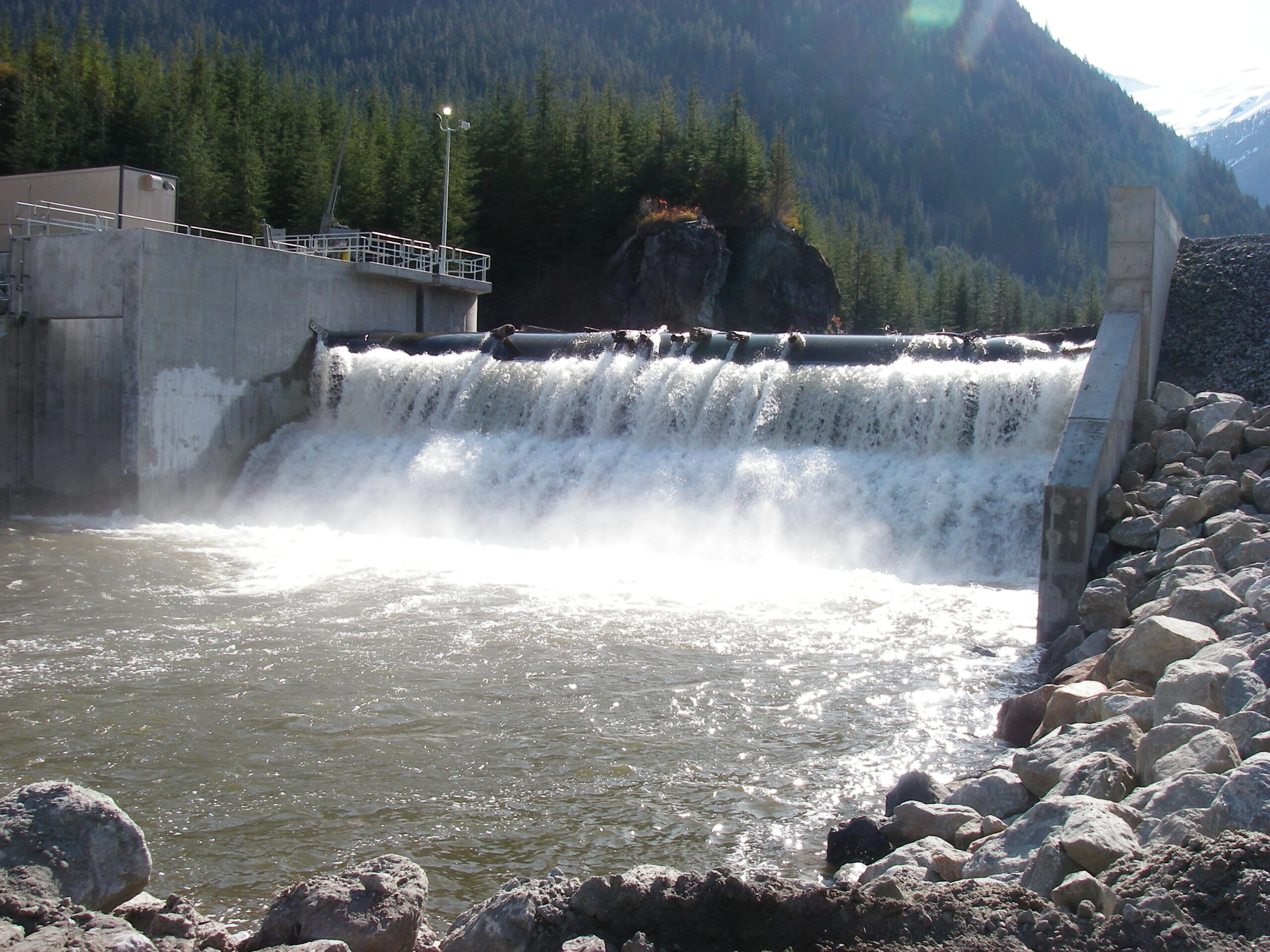
The development of modern hydroelectric power plants relies not only on turbine improvements but also on advanced understanding of water flow dynamics and the skillful management and storage of water. A key role is played by reservoirs—large, impermeable water containers that allow the creation of energy reserves. To maintain such systems, the construction of embankments, weirs, and dams is necessary to control river flow. By building dams, artificial lakes and retention areas are created, which, besides electricity production, serve to prevent floods, irrigate agricultural lands, supply water to populations, facilitate navigation, and provide recreational spaces.
While dams in the past were made from earth and stone, modern times introduced new materials such as brick and concrete, which ensure greater stability, durability, and impermeability. Engineering solutions thus become impressive symbols of the union between natural forces and human ingenuity.
From Cragside to Niagara – The Beginning of the Electric Era
The first hydroelectric power plants in the world used dynamo generators to produce direct current electricity, primarily for lighting. One of the pioneering projects was the hydroelectric plant built in 1870 in Cragside, England, considered the first facility in the world powered by electricity generated from water. A few years later, in 1876, a hydroelectric plant in Upper Bavaria illuminated a cave near Linderhof Palace, marking the first use of water for aesthetic purposes: creating a lighting ambiance.
The real technological breakthrough occurred in 1882, when Thomas Edison launched the first American hydroelectric plant on the Fox River in Appleton, Wisconsin. This achievement marked the beginning of a new era. Soon after, by 1889, over a hundred hydroelectric plants were operating in North America.
A turning point in history was the Redlands hydroelectric plant in California, built in 1893, the first in the world to produce alternating current electricity. With a capacity of 250 kW, it used the flow of Mill Creek River and opened the way to long-distance electricity distribution. Just two years later, in 1895, at the majestic Niagara Falls, Nikola Tesla and George Westinghouse completed a hydroelectric plant with AC generators totaling 37 MW—an endeavor that permanently changed the energy history of the world.
The Golden Age of Hydropower
With advances in generator construction, turbine improvements, and growing demand for electricity, hydroelectric plants experienced a strong expansion. At the beginning of the 20th century, over 40% of total electricity in the United States came from the power of rivers and waterfalls—proving that water is not only the source of life but also a foundation of modern technological progress.
Small Systems, Big Potential
Modern hydroelectric plants today cover a wide range of installed capacities—from small systems of just a few watts to gigantic facilities of several gigawatts. In most developed countries, water resources suitable for building large hydroelectric plants have already been exploited, so further development is mainly focused on smaller, environmentally friendly plants that use local water flows without major infrastructure interventions.
Energy of the Sea – Tides, Currents, and Waves
However, water’s potential is not limited to rivers. Wave energy, ocean currents, and tidal energy also originate from solar energy but are converted into electricity in a completely different way from traditional hydroelectric plants. Such facilities, although often still in prototype or experimental stages, are also considered part of the broader family of hydropower systems.
The natural rhythm of tides varies from coast to coast. On the European side of the Atlantic Ocean, the interval between two high tides is about 12 hours, while on the coasts of Indochina, it is approximately 24 hours. Tidal amplitudes also vary: in the Mediterranean, just a few centimeters; in the Baltic Sea, several tens of centimeters; in the oceans, on average 6 to 8 meters. At certain locations on the western coast of France and southwestern England, tidal differences can exceed 12 meters—creating ideal conditions for energy production.
To efficiently harness such energy, it is necessary to find coastal points with high tidal amplitudes and the possibility of constructing a dam that would isolate part of the sea, creating a reservoir for turbine operation. The most famous example is the La Rance plant in France—the first and largest tidal power plant in the world. Commissioned in 1966, this impressive hydroelectric plant with a capacity of 240 MW remains a symbol of pioneering spirit in using ocean energy. It represents a combination of ocean rhythm and human technological advancement.
The Hydrological Cycle – Eternal Energy Renewal
Hydroelectric plants are considered renewable energy sources because they use a natural, inexhaustible, and constantly renewing water cycle powered by solar energy. Legal frameworks often set limits on installed capacity to differentiate small hydroelectric plants from large systems. This distinction is introduced for incentive schemes—subsidies and tax benefits mainly target smaller hydro plants, which have a smaller market share and weaker competitiveness compared to large facilities. Nevertheless, regardless of size, all hydroelectric plants rely on the same natural process and therefore belong to renewable energy sources.
Water continuously circulates in the global hydrological cycle. It evaporates from the surfaces of oceans, lakes, and rivers, then condenses in the atmosphere and returns to Earth as rain or snow. This cycle is constantly renewed thanks to the Sun’s thermal energy, which acts as a sort of “pump” maintaining water flow. In hydroelectric plants, water becomes “fuel” that drives turbines and generators, but its quantity and composition remain unchanged—water simply passes through the system and continues its natural journey downstream.
It is precisely this ability for continuous renewal that makes hydropower one of the cleanest and most sustainable energy sources. While the Sun tirelessly drives the water cycle, humans have learned to direct this force to generate electricity without emitting harmful gases and without permanently depleting natural resources—creating a perfect example of cooperation between nature and technology.
Environmental Challenges
Hydroelectric plants are unique energy systems because they do not emit greenhouse gases during electricity production, significantly contributing to environmental preservation and the reduction of global warming. However, their construction can have certain ecological consequences. Large dams and reservoirs, in particular, can alter natural landscapes, microclimates, and local ecosystems. Changes in temperature, air humidity, and water regimes sometimes affect flora and fauna, so increasing emphasis is placed on sustainability and ecological balance when planning new projects.
Economic Sustainability and Longevity
From an economic perspective, hydroelectric plants are among the most cost-effective forms of electricity generation. Although their construction requires significant initial investments, once completed, they can reliably operate for decades—often over a century. Since water as an energy source is natural and free, the main costs relate to plant and equipment maintenance. Today’s technology for converting water energy into electricity is highly advanced, efficient, and stable, further contributing to the economic sustainability of hydropower.
However, in most developed countries, the potential for building large hydroelectric plants is almost fully exploited. Capacity growth has slowed, and development has shifted toward smaller, more flexible systems and the modernization of existing facilities. In contrast, African, Asian, and South American countries still possess vast untapped water resources. Estimates show that only about a quarter of global hydropower potential has been utilized, with the remaining, largest portion located in developing regions—making them potential centers for future growth in clean, renewable energy.
Global Trends and the Future of Hydropower
Today, hydroelectric plants represent the most prevalent form of electricity generation from renewable sources. According to reports, global installed hydropower capacity reached approximately 1,412 GW at the end of 2023. In 2024, capacity expanded by an additional ~24.6 GW, of which about 16.2 GW was conventional hydroelectric plants and ~8.4 GW reversible (“pumped-storage”) hydroelectric capacity.
Electricity production in hydroelectric plants in 2024 also increased by about 10% compared to the previous year, reaching approximately 4,578 TWh. Although renewable sources are growing rapidly, hydroelectric plants still hold a significant share of renewable energy production, confirming their status as a fundamental source of clean energy.
However, the use of hydropower has its limitations: hydroelectric plants cannot be built just anywhere, as abundant and consistent water flow is required, and energy storage remains a challenge. To stabilize production, reservoirs are often constructed, which increases costs and potential environmental impacts—for example, changes in groundwater levels and effects on local flora and fauna. Large dams must also be safe in terms of earthquakes or imposed security risks.
Water Drives the Future
Despite these challenges, hydropower remains a key component of the energy transition. Why? Because its technical potential, efficiency, and long-term sustainability make it one of the most reliable renewable sources in the global energy system. Water will never run out and will always be available. Therefore, it will continue to be an important factor in renewable energy.
References:
Šljivac, D., Šimić, Z. (2009) Renewable Energy Sources: The Most Important Types, Potential, and Technology
http://www.waterencyclopedia.com/Ge-Hy/Hydroelectric-Power.html
https://www.energy.gov/eere/water/history-hydropower
https://www.hydropower.org/news/the-flagship-2024-world-hydropower-outlook-out-now
https://www.hydropower.org/iha/discover-history-of-hydropower


