By Matija Šerić
At the age of 39, Bardot withdrew to her residence in St. Tropez. In 1977 she reappeared in public, but not as a film diva—rather as an activist for animal rights. A life under the glare of the spotlight had directed her attention to the suffering and poor treatment of animals, which were often persecuted just as she herself had been for much of her life. “I can understand hunted animals because of the way I was treated,” Bardot said. “What happened to me was unacceptable and inhumane. I was constantly surrounded by the world’s media,” she stated in a later interview. She rejected a life of luxury and invested a large part of her wealth (real estate, jewelry, etc.) in the Brigitte Bardot Foundation, which she founded in 1986 to promote animal rights and protection.
Career as an Animal Rights Activist
As in film and modeling, she was just as fiery and unconventional in her new career—she advocated fiercely for animal rights. She became a vegetarian and demonstrated activism without limits. She traveled to the Arctic to draw attention to the massacre of seal pups. She condemned the use of animals in laboratory testing and opposed Islamic and Jewish ritual slaughter. She called on South Korea to ban the shameful sale of dog meat, and on one occasion sent a letter to U.S. President Bill Clinton asking why the U.S. Navy had returned two dolphins to captivity after previously releasing them into the wild. She attacked centuries-old French and Italian hunting traditions, including the Palio, and advocated for wolves, hares, kittens, and doves. She also called for a ban on the sale of horse meat in France and Europe, for which she received death threats.
“Man is an insatiable predator,” Bardot said in an interview in 2007. “I don’t care about my past fame. It means nothing compared to an animal that is suffering, because it has neither the power nor the words to defend itself.” Her activism for animal rights earned her France’s highest decoration, the Legion of Honour, in 1985.
Short documentary
Political Activism
She also became politically active after marrying lobbyist Bernard d’Ormale, a close associate of the radical right-wing figure Jean-Marie Le Pen. She described Le Pen as a “wonderful, intelligent man,” although many accused him of racism, as well as her husband.
After expressing her views against immigration, several French cities removed statues of Marianne inspired by Bardot in 1997. In her books and interviews, she expressed negative opinions about gay people and Muslims, accusing some of the latter of invasion and Islamist terrorism. She believed that France was undergoing Islamization. She was convicted and fined six times by French courts for “inciting racial hatred,” in incidents related to her opposition to the Islamic practice of slaughtering sheep during religious holidays.
She persistently rejected all accusations of racism. “I never intentionally wanted to hurt anyone. That is not in my nature… Among Muslims, I think there are good people, but also hooligans, as everywhere.” In 2012 she supported the presidential candidacy of Marine Le Pen, who today leads her father’s renamed party, the National Rally. On Sunday, Le Pen paid tribute to Bardot—an “exceptional woman” who was “incredibly French.”
B.B. top 10 movies
Refusing to Swim with the Current
In 2018, at the height of the #MeToo movement, she stated in an interview that most actresses protesting sexual harassment in the film industry were “hypocritical,” because many of them had played the role of “seductresses” with producers in order to get parts. She said she had never been a victim of sexual harassment and that she found it “charming when they told me I was beautiful or that I had a nice backside.” She spent the final years of her life in her home near Saint-Tropez, in the company of her husband and numerous pets.
Brigitte Bardot Through the Years
The Face and the Reverse of Success
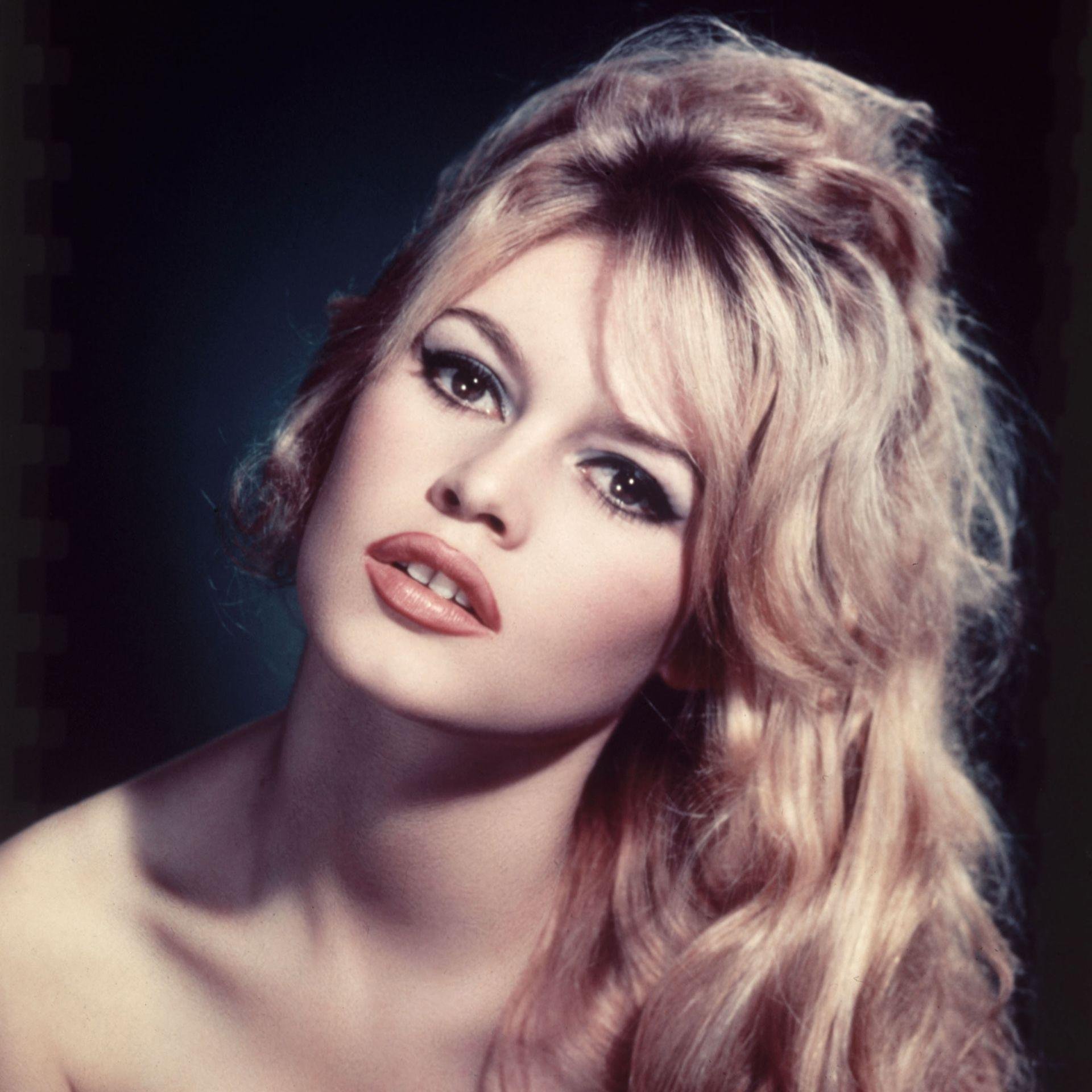
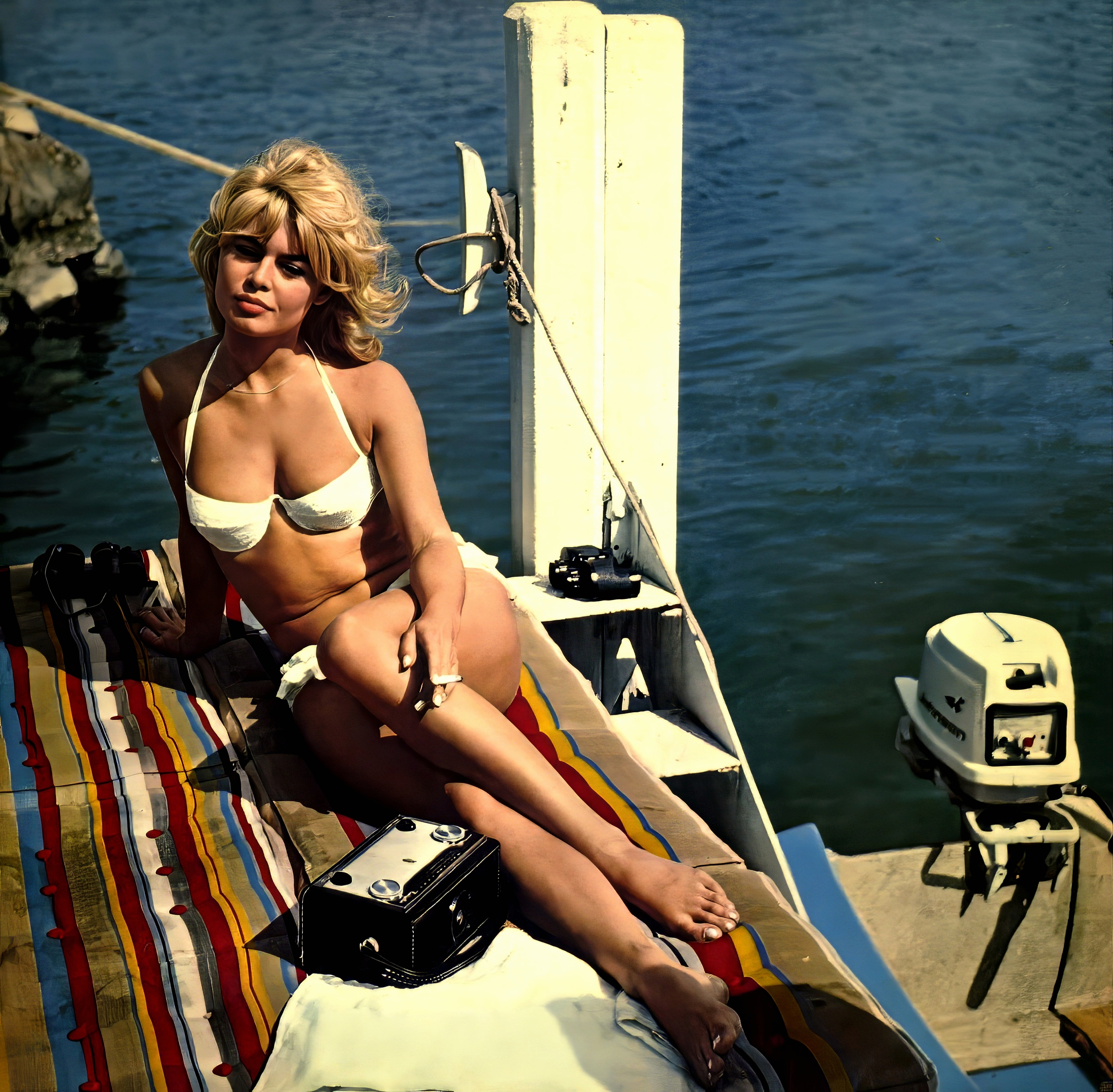
The life and work of Brigitte Bardot are anything but ordinary. Indeed, her appearance and work will live forever on the silver screen. Her films will inspire many and awaken a wide range of emotions in audiences. Some will support her uninhibited beauty and sexual freedom on film, while others will condemn it. Without a doubt, she is one of the greatest actresses—and models—of the 20th century, a defining symbol of France. Admittedly, in later years Bardot would say that she had little in common with the actress from And God Created Woman, but her work will continue to live on. Moreover, when it comes to advocacy for animal rights, she has no competition among celebrities. The most controversial aspects are her political views in later years, but she expressed only her own opinions, which were not intended to demean anyone, but rather reflected what she considered the silent opinion of the majority (however distasteful some may find it).
Although Bardot’s life is one many would envy, it also had its dark side: the intrusive public scrutiny of her private life. Constant exposure to cameras and photographers caused the actress depression and nearly cost her her life. She attempted suicide on several occasions, fortunately without fatal outcome. Taking this into account, states should legally regulate—i.e., protect—celebrities from aggressive fans and paparazzi. No matter how famous someone is, they have the right to a private life. Until a line is drawn, many famous people will leave too soon. Despite everything, Brigitte Bardot reached a happy ending, and under the initials B.B. she will remain an artistic giant for eternity. We can hope that she has gone to a happier place.