By Matija Šerić
During the era of the Second Yugoslavia, Montenegro was the smallest Yugoslav republic with a relatively primitive economy reliant on tourism, agriculture, and a modestly developed industrial sector. The Port of Bar, fully restored in 1983, became an important Yugoslav transportation hub, facilitating foreign trade. Despite its limited resources, Montenegro managed to function and develop under socialism, and the living standards of its citizens gradually improved.
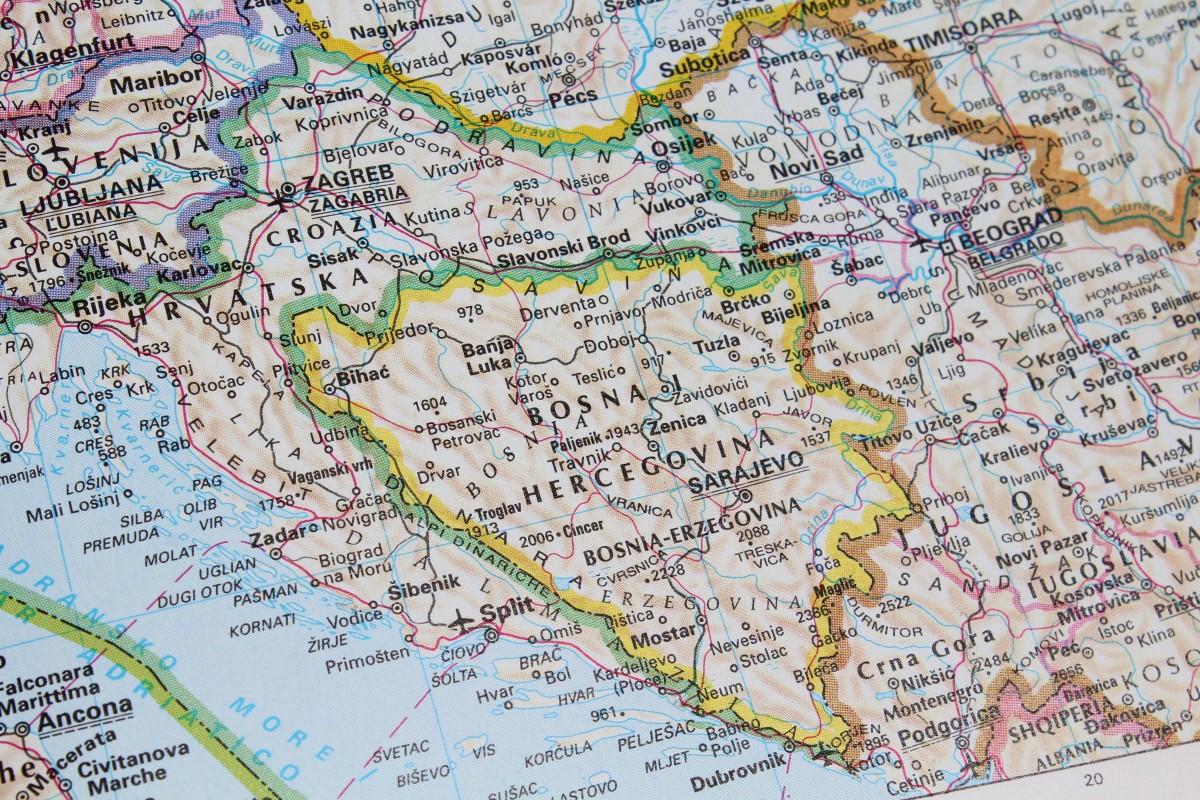
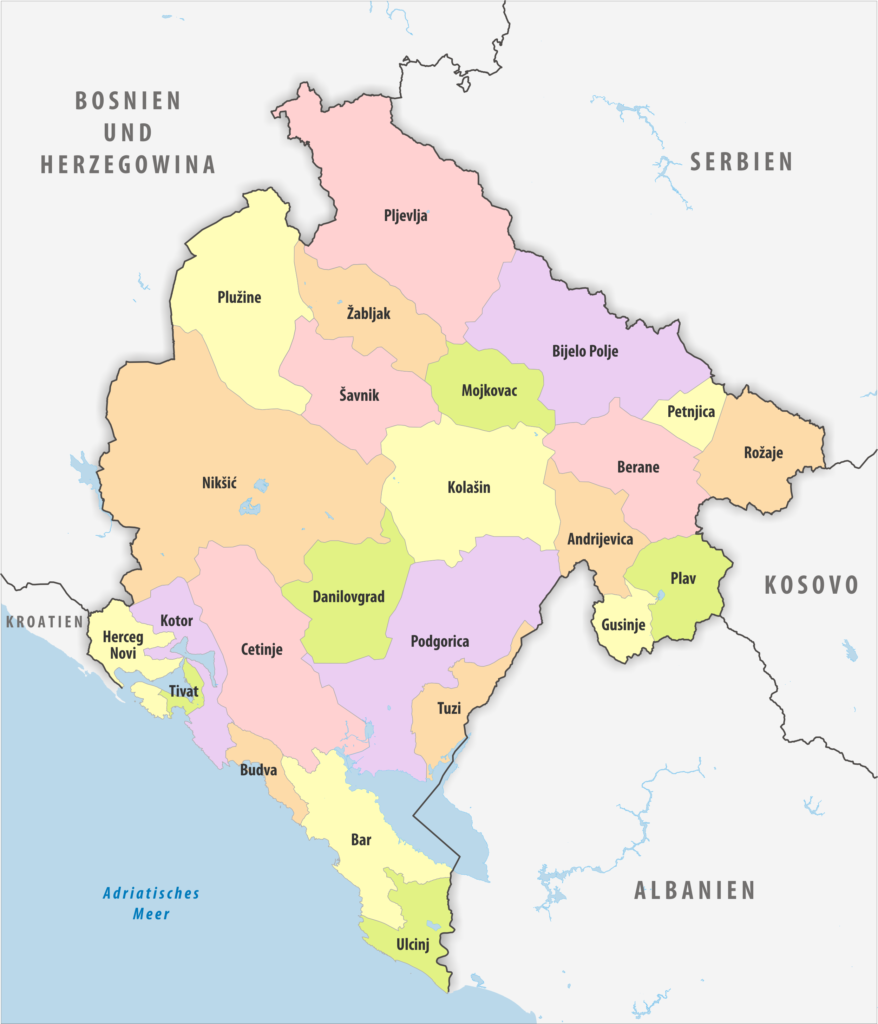
However, the bloody dissolution of Yugoslavia in 1991 placed the country in a precarious position. Montenegro, a state of just over 13,000 square kilometers and 600,000 residents, found itself in a complex situation. While Slovenia, Croatia, Bosnia and Herzegovina, and Macedonia seceded from Yugoslavia, Serbia and Montenegro remained in what was left of Yugoslavia, which officially transformed into the Federal Republic of Yugoslavia (FRY) in April 1992.
The Challenging Conditions in Serbia and Montenegro
At the end of May 1992, the UN Security Council imposed broad international economic sanctions on Yugoslavia through Resolution 757 due to its involvement in the war in Bosnia and Herzegovina. The already struggling economy, weakened by the collapse of socialism, deteriorated further. Severe shortages of consumer goods followed, numerous companies collapsed, and hyperinflation took hold. These conditions paved the way for smuggling to thrive. Organized crime, in the form of mafia networks, became the new supplier for both the state and the citizens of Serbia and Montenegro. Smuggling became the primary means of survival for many citizens, and criminals saw an opportunity to exploit the situation.
The Birth of the Montenegrin Tobacco Mafia
The smaller Yugoslav republic faced particularly tough circumstances. Montenegro had many limitations but also a favorable geostrategic position on the eastern Adriatic coast. Its coastal and transit location (close to Italy, Greece, Romania, and Central Europe) enabled Montenegro to become a crucial hub for the illegal international cigarette trade. This situation gave rise to the Montenegrin tobacco mafia.
Serbian businessman Vanja Bokan is considered the father of illegal cigarette trade in Serbia and Montenegro. In the 1980s, Bokan had established a successful chain of high-quality clothing boutiques across Yugoslavia. When the FRY faced UN sanctions in 1992, he began organizing the smuggling of oil, metals, and other necessities. Bokan’s Montenegrin father-in-law, one of the top three generals of the Yugoslav Counterintelligence Service (KOS), introduced him to leading Montenegrin politicians and businessmen, such as Milo Đukanović and his associates.
After discussions with his Montenegrin contacts, Bokan decided to organize cigarette smuggling. He became known by the nickname “Black Pirate.” Using his connections, he acquired two Il-76 transport planes. Although NATO had imposed a no-fly zone over FRY, he devised a way to bypass this obstacle. The planes would land in Montenegro under the pretext of “technical issues.” With the help of Montenegrin partners, he sold untaxed cigarettes to the Italian mafia.
Modus Operandi
Bokan loaded his spacious Il-76 planes with cigarettes that legally arrived in free trade zones in Rotterdam (Netherlands) or Zug (Switzerland). The cigarettes originated from factories in America or southern Europe. Occasionally, the planes collected cigarettes from airports in the Middle East or Central Asia. While their formal destination was Malta or Romania, the planes would land in Montenegrin airports for “technical reasons.” Week after week, tons of illegal cigarette shipments arrived at Montenegro’s two international airports (Podgorica and Tivat), where they were transported to the Port of Bar.
Hundreds of speedboats would crowd the Port of Bar, barely finding space to dock and position themselves. The cigarettes were transferred from warehouses to speedboats, which then crossed the Adriatic’s Otranto Strait, covering about 225 km to the Italian Port of Bari in Apulia. Every night, a fleet of speedboats carried the cargo from the eastern to the western Adriatic coast. Apulia was home to one of Europe’s most aggressive organized crime groups, the Sacra Corona Unita (SCU).
Italian police and customs officials were overwhelmed by the smugglers. Along the 480 km stretch between Bari and Ancona, Italian authorities possessed only two fast boats capable of intercepting mafia speedboats. Dozens of speedboats operated nightly between the two Italian ports. Upon arrival in Bari or occasionally in Ancona, the cigarette-laden speedboats were met by the Italian mafia, who unloaded the cargo and distributed it to European consumers.
“Transportation Tax”
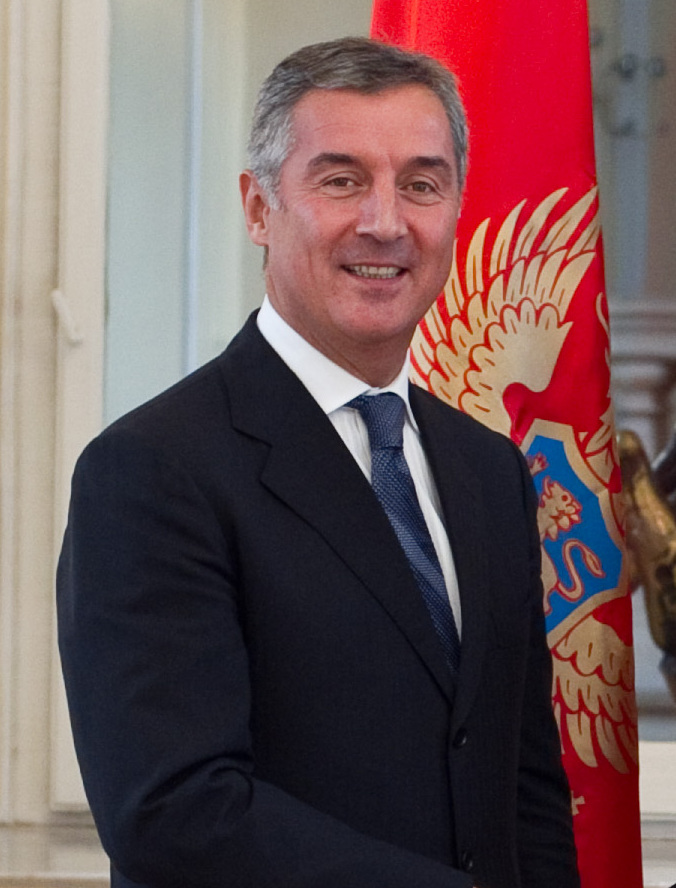
Montenegro’s formal and informal structures illegally earned billions of dollars through their involvement in the illicit distribution of nicotine products from America, the Middle East, and Asia to Europe. Each carton of cigarettes was taxed. This “taxation” was euphemistically referred to by Montenegrin leader Milo Đukanović as a “transportation tax.” Since Montenegro faced drastic reductions in federal financial support from Belgrade due to disagreements with Slobodan Milošević during the 1990s, Đukanović justified the “transportation tax” as the only means for his republic to survive under international economic sanctions and pressure from Belgrade. It was an open secret in the former Yugoslavia and beyond that Đukanović’s Montenegro had become a haven for illegal cigarette trade.
Illicit Cigarette Trade in Ex-Yugoslavia
In addition to international smuggling, domestic illegal cigarette trade began immediately after the outbreak of war in the disintegrating Yugoslavia. In major cities like Zagreb, Belgrade, and Sarajevo, boys would enter and exit restaurants offering elite Western cigarette brands to patrons. Other street vendors also sold cigarettes on city streets. Brands like Marlboro and Winston cost $75 in London and $40 in New York but could be purchased in Yugoslavia for just $10. Affordable prices enabled smuggling to flourish.
Around 50% of the population in the Western Balkans smoked (especially during the war), creating vast opportunities for illegal resale. There were two types of illegal cigarettes: high-quality and low-quality. High-quality cigarettes were produced in factories in developed countries, purchased tax-free in America, the UK, or Japan, and sent to free trade zones in Rotterdam and Zug. They were then sold to corruption-ridden states like Uzbekistan and Egypt. Criminal organizations and customs officials collected taxes at every stage of transit. Cigarettes destined for the EU market would end up in Montenegro and then be transported to Italy via speedboats. Even though everyone involved in the distribution chain took their cut, the cigarettes remained about 50% cheaper on the black market than in legal markets due to the absence of state taxes.
The Profitability of the Tobacco Business
Beyond demand in the former Yugoslavia, the Montenegrin mafia capitalized on the fact that smokers in the European Union were unwilling to pay high cigarette taxes, leading them to break the law and buy their favorite products on the black market. In London, untaxed cigarettes could be purchased on the streets from Albanian and Kurdish vendors. A pack of 10 cartons cost between £1.50 and £2, saving buyers £3 compared to taxed cigarettes. Despite the long journey from factories in America through Rotterdam to Montenegro and back to the EU, everyone involved in the illicit distribution chain profited significantly (the cost of cigarettes at the factory entrance was just 30 pence per pack). The only losers were the states.